
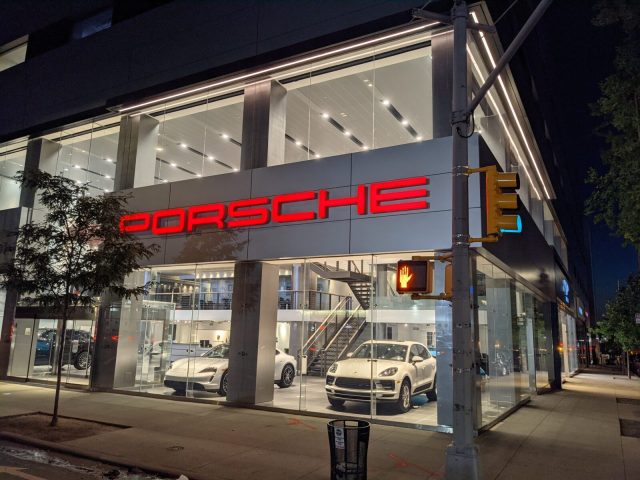
Porsche is entering 2026 with a clear vision that balances tradition and future, a feat few automotive manufacturers can achieve. The brand is taking a multi-layered approach, allowing combustion, hybrid, and fully electric platforms to coexist. This blend is driven by both practicality and emotion, especially among fans who see Porsche as an emotion-driven performance brand rather than just a car maker.
At the heart of this strategy is the Porsche 911. It has endured trends for decades without fundamentally changing its identity. While many sports cars have risen and fallen, the 911 continues to evolve while staying true to its rear-engine format and the driving experience it offers. For 2026, Porsche is making a strong statement that electrification enhances the emotional appeal of its flagship sports car rather than diluting it.
Meanwhile, Porsche is expanding its electric vehicle (EV) presence with models like the Taycan, Macan Electric, and the upcoming Cayenne Electric. This combination creates an all-encompassing ecosystem where customers can choose between driving based on emotion or advanced performance, offering a more dynamic approach than mandating a switch.

Porsche’s 2026 Vision and Product Strategy
The 2026 Porsche lineup is built on a distinct strategic direction that promises variety in powertrain technology without compromising performance. Instead of abandoning combustion engines abruptly, Porsche is phasing in engine options across each segment individually. This ensures the brand remains true to what makes it unique, preserving its dedicated customer base while attracting new buyers.
Strategy Breakdown:
Balanced evolution of combustion, hybrid, and EV platforms
Performance-first engineering across all model lines
Gradual transition instead of full electrification shift
Market-specific product flexibility
* Strong focus on driving dynamics and usability
Combustion models are also evolving to improve economy and performance. Hybrids act as a bridge, combining performance with better fuel efficiency. Fully electric vehicles like the Taycan prove that Porsche can translate its driving dynamics to new types of cars. Both are not just interim measures but integral pillars of the brand’s future.
The different pace of electrification adoption between regions is another factor. Some parts of the world move faster toward EVs, and Porsche maintains a flexible product strategy to stay competitive in all markets. The brand safeguards its history while moving into the future.
The Future of the Porsche 911
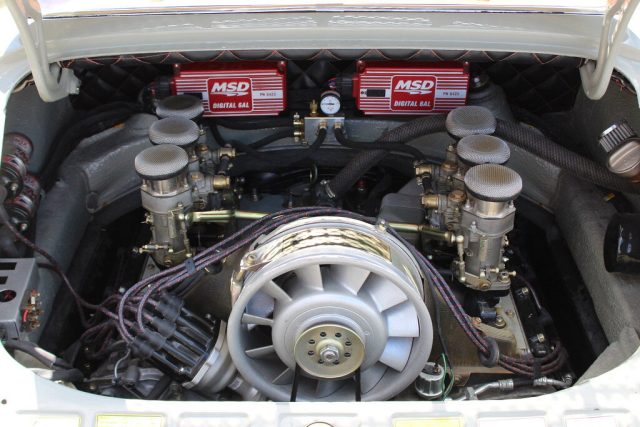
For many Porsche fans, the 911 will not become all-electric in the near future. Instead, Porsche is taking evolutionary steps with further development of both combustion and hybrid technologies. The goal is to maintain the passionate feeling of driving a 911 that has defined its existence for decades. Rather than replacing it, Porsche is looking to refine it.
911 Evolution Strategy:
Continued development of flat-six combustion engines
Integration of hybrid performance systems
No full EV conversion in the near term
Focus on preserving driving emotion
* Performance upgrades without losing mechanical feel
At its core, the 911 will still feature the hallmark flat-six engine. Hybridization assists in increasing power delivery, response, and efficiency. This means the car remains exciting and adheres to modern requirements while keeping tradition at the heart of its development. Porsche aims for evolution over revolution, using technology to enhance emotion, not erase it. The 911 is not merely a car; it is at the very core of Porsche’s identity, and any development is weighed against that heritage.
T-Hybrid Technology in the 911
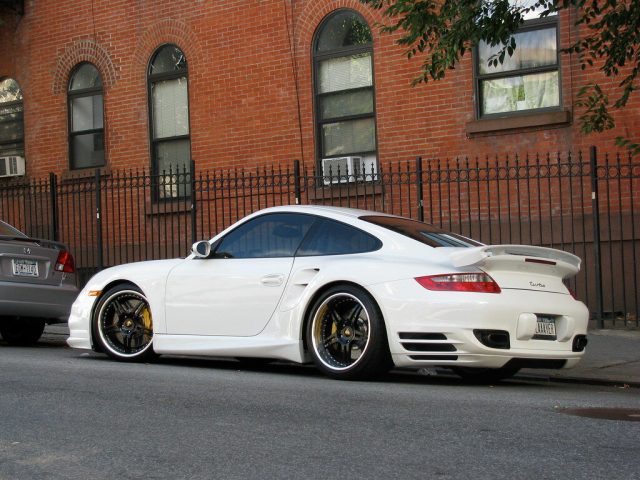
One of the most talked-about changes for the 2026 Porsche 911 range is the new T-Hybrid system. Unlike existing plug-in hybrids, this system is designed purely to boost performance, not to run as a pure EV. The idea is to provide quicker response, more efficiency, and better driving performance while retaining the standard 911 feel.
T-Hybrid Core Innovations:
400V high-voltage performance architecture
Electrically assisted turbocharger system
Near-elimination of turbo lag
Instant throttle response improvement
* Performance-first hybrid design approach
The electrical system works by supplying energy in the form of a 400 V supply. The key to this new electrically assisted turbocharger technology is that it almost entirely eliminates turbo lag, creating instant throttle response. Power delivery is smooth and linear during hard driving, especially on throttle lift. Porsche has seamlessly blended hybridization into the performance design of the engine, ensuring that the driving sensation is sharpened rather than dulled.
Porsche 911 Carrera Lineup
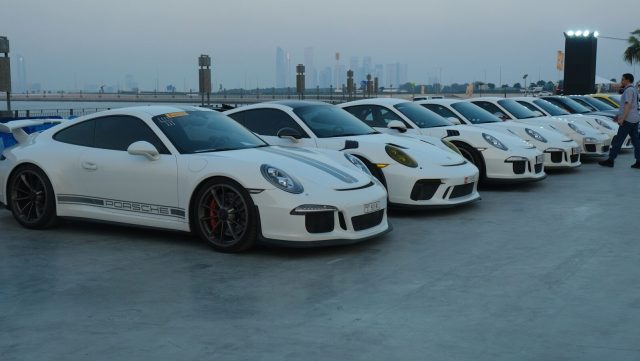
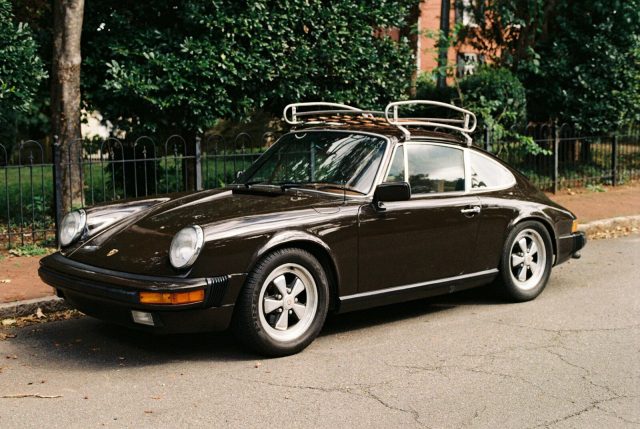
The Porsche 911 Carrera is the base line of all 911 vehicles and provides access to the world of rear-engine Porsches. The base Carrera offers balanced entry-level performance through its twin-turbocharged flat-six engine while still providing solid day-to-day driving utility. It’s a full sports car but doesn’t feel like it’s lacking anywhere.
Carrera Model Breakdown:
911 Carrera: balanced entry-level performance sports car
911 Carrera T: lightweight, driver-focused manual experience
911 Carrera 4: all-wheel-drive stability and traction
911 Carrera 4S: increased power with enhanced performance
Twin-turbo flat-six across the lineup. The focus with the Carrera T is on producing a more raw and emotional driving experience, concerned less with luxury comfort and more about keeping weight low and suspension dialed-in. With its stripped-out emphasis and lightweight design, it offers a more connected driving experience and is one of the most purest iterations of the modern 911.
Targa and AWD Evolution
The Porsche 911 Targa is still one of the most visually and structurally distinctive members of the 911 range. With its famous roll hoop and removable roof section, the Targa has the rigidity of a coupé yet offers the enjoyment of open-air motoring. The goal is to combine the best of styling, comfort, and usability while retaining the sports car feel.
Targa & AWD Characteristics:
Signature Targa roll hoop design
Removable roof section for open-air driving
Standard all-wheel-drive system
Enhanced stability and traction control
* Coupe-like rigidity with convertible flexibility
With AWD fitted to all models, traction, stability, and confidence are strong regardless of road or weather conditions. The AWD system enhances safety and performance simultaneously by providing the capability to handle corners with confident grip during fast driving. This means the car can be used by many drivers wanting practical year-round performance.
GT Series Performance Focus
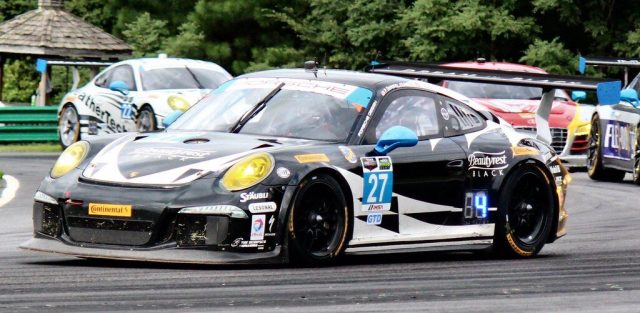
The Porsche 911 GT range embodies the 911 concept in its most single-minded, performance-obsessed form. While the GT3 and GT3 Touring still utilize a naturally aspirated 4.0-liter flat-six producing immense levels of rev-ability and mechanical sharpness, they are designed first and foremost to maximize driver connection. Everything is sacrificed in favor of response, feedback, and control; not comfort or convenience.
GT Series Performance Highlights:
Naturally aspirated 4.0L flat-six engine (GT3 / GT3 Touring)
High-revving performance character
Track-focused chassis tuning
Extreme aerodynamic engineering (GT3 RS)
* Motorsport-inspired driving dynamics
The GT3 RS takes this even further, putting track performance and absolute aerodynamics above all else. The entire car is optimized for the best possible lap time with massive downforce, use of lightweight materials, and incredibly dedicated suspension settings. It is one of the closest road legal cars that looks like a race car you will be able to get your hands on. The GT3 RS is not a practical or comfortable car, it has been built to be fast.
End of the Gasoline 718 Era
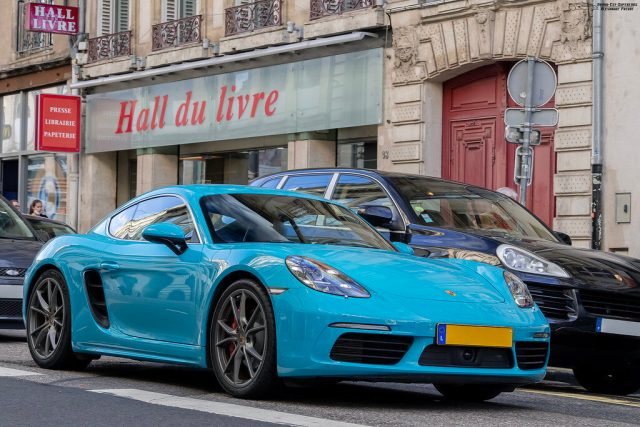
The 2026 model year will usher in a new era for the mid-engine Porsche sports car models, as both the 718 Cayman and 718 Boxster head into the final stages of combustion-powered production before being replaced by all-electric models. This will mark the end of a significant chapter of Porsche’s modern sports car timeline.
718 Final-Generation Highlights:
Final combustion-powered 718 Cayman and Boxster models
Return of naturally aspirated flat-six (GTS 4.0 variants)
Focus on analog driving feel and engagement
Lightweight mid-engine platform balance
* Emotional “farewell” editions for enthusiasts
Models like the GTS 4.0 offer a final ode to this classic character with its normally aspirated flat-six. They represent the definitive expression of everything that made the 718 so beloved—balanced, eager, mechanical, and driver-focused. It is for this reason they will resonate most with people who appreciate the analog nature of the driving experience.
Taycan and Electric Performance Growth
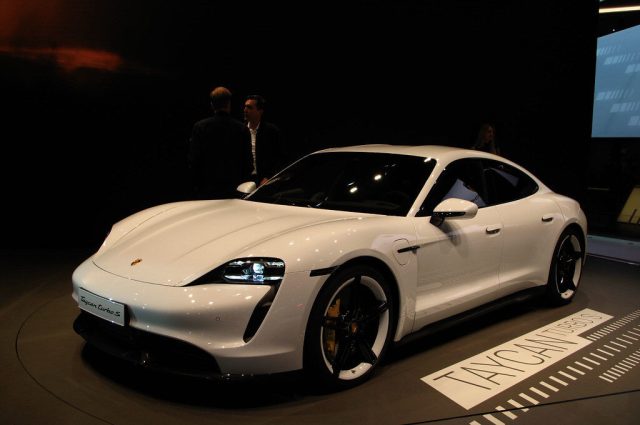
To this day, the Porsche Taycan sets the bar in the high-performance electric vehicle market. Developed on an advanced 800V electrical system, it allows for super rapid charging and ensures continuous high-performance output. It is a sophisticated piece of engineering and one of the most technically superior electric sports sedans currently on sale.
Taycan Performance Highlights:
Advanced 800V electrical architecture
Ultra-fast charging capability
High-performance Turbo and Turbo GT variants
Strong track and straight-line performance
* Porsche-focused chassis tuning in an EV platform
Models such as the Taycan Turbo GT go above and beyond in electric acceleration and power delivery. These versions show that EVs can not only keep pace with traditional supercars in straight-line acceleration but also shine on the track. Instant torque and power control result in serious acceleration numbers and advanced thermal management can provide sustained power even when you’re flooring it for miles on the racetrack.
Macan Electric and Cayenne Expansion
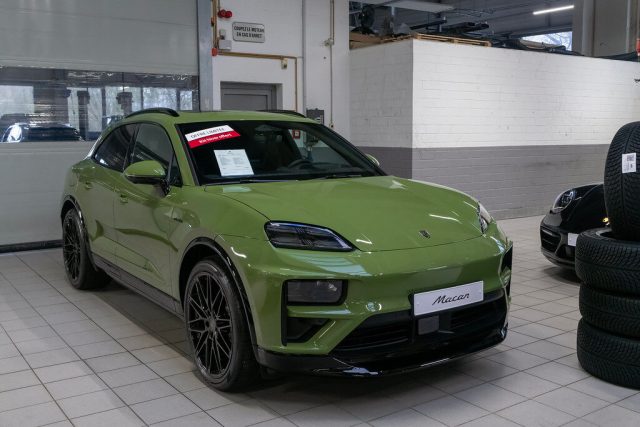
The Porsche Macan Electric marks a major step in transforming Porsche’s best-selling SUV into a fully electric performance vehicle. Built on an advanced dedicated EV platform, it is designed to retain the sporty handling characteristics that define the Macan name while improving efficiency and responsiveness. This transition reflects Porsche’s goal of ensuring that electrification does not reduce driving enjoyment, even in its most practical and high-volume models.
SUV Electrification Strategy:
Macan Electric built on next-generation EV platform
Focus on maintaining sporty driving dynamics
Cayenne offered in combustion, hybrid, and EV forms
Flexible powertrain choices for global markets
* High-performance variants across both SUV lines
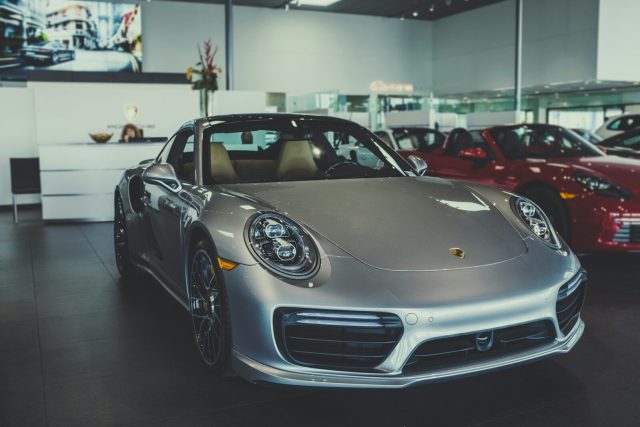
The Cayenne lineup highlights Porsche’s multi-powertrain strategy more clearly than any other model. It is available in internal combustion, hybrid, and fully electric variants, allowing customers to select a configuration that best suits their needs and regional infrastructure. This approach ensures that Porsche remains adaptable in markets with different levels of EV adoption while maintaining strong performance standards across all versions.
Porsche’s Balanced Future
Porsche’s 2026 direction is not centered on choosing between tradition and innovation but on integrating both into a unified and structured product strategy. Each model line is assigned a clear role within the portfolio, whether it focuses on emotional driving engagement, everyday usability, or cutting-edge technological advancement. This allows the brand to evolve without losing coherence in its identity or diluting its performance-first philosophy.
Core Future Principles:
Balanced coexistence of combustion, hybrid, and EV models
911 retains its combustion-driven identity
Electrification focused on performance enhancement, not replacement
Clear role separation across model lines
* Consistent focus on driving emotion and precision
The decision to preserve the Porsche 911’s combustion identity while expanding electric performance across other models reflects a deliberate and strategic understanding of brand heritage. Rather than forcing a rapid transition, Porsche is evolving each segment in a way that respects its historical significance. This ensures that loyal enthusiasts continue to experience the characteristics they value most, while new technologies are introduced where they add the most benefit.
Ultimately, Porsche’s strength lies in its ability to maintain balance across all dimensions of performance and innovation. Whether powered by gasoline, hybrid systems, or electricity, every model is engineered around a single core philosophy: delivering a driving experience that feels alive, precise, and deeply connected to the road. This consistency ensures that Porsche remains relevant in the future while staying true to the essence that defined its past.