The UK’s Plan to Ban Under-16s from Social Media
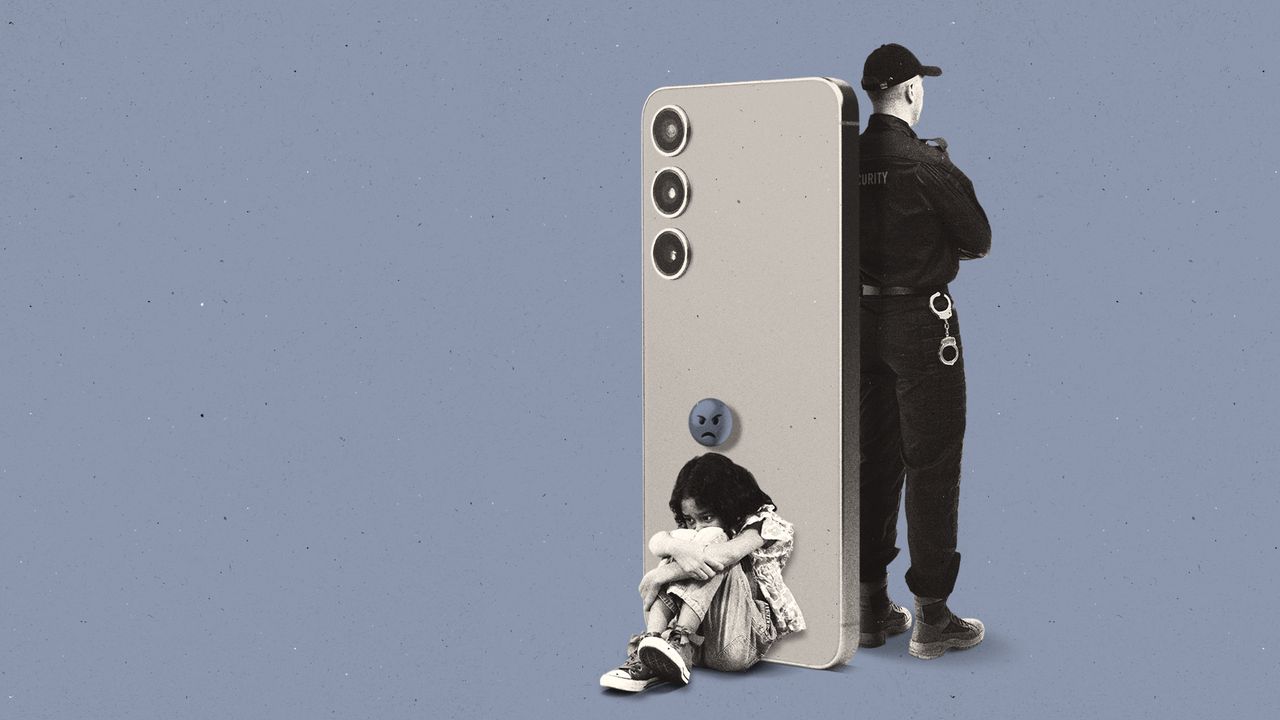
In a significant move, the United Kingdom is considering a complete ban on social media for children under 16. This decision was announced by Prime Minister Keir Starmer in a televised speech at Downing Street. He emphasized that this measure is necessary as the current system is failing young people. While acknowledging that such a decision comes with challenges, Starmer stated that it is essential to make tough choices for the well-being of the youth.
According to a YouGov poll, there is strong public support for the ban, with 77% of parents in favor. However, opinions are divided on whether the ban will be effective. Nearly half of those surveyed believe it would work, while another 46% disagree.
How Will the Ban Work?
The proposed ban would cover major social media platforms such as Snapchat, TikTok, YouTube, Instagram, Facebook, and X (formerly Twitter). However, encrypted messaging apps like WhatsApp and Signal would not be included. The government claims this policy will be more comprehensive than any other country’s approach, including restrictions on live-streaming and communication with strangers for under-16s.
Gaming sites would also be affected, and the government is exploring options like overnight curfews and breaks in infinite scrolling for 16- to 18-year-olds. Additionally, a minimum age of 18 will be enforced on “romantic companion” AI chatbots, which are designed to simulate sexual relationships or roleplay with users.
Enforcement and Challenges
The success of the ban hinges on the implementation of “highly effective age assurance” systems. These systems may include facial age estimation using digital cameras. The media regulator Ofcom will conduct a rapid study to determine the most effective methods for verifying if someone is over 16.
Starmer hopes to pass the necessary legislation by Christmas, with the ban coming into effect in spring 2027. However, the details of how these measures will be enforced remain unclear.
Effectiveness and Concerns
Critics argue that the government is rushing into this decision without fully considering the potential consequences. OpenDemocracy has raised concerns about the impact on surveillance, privacy, and the well-being of young people. Privacy and technology experts, along with professionals working with children, warn that the plans could lead to increased surveillance and data breaches. They also express concern that it might cut off young people from the potential benefits of social media, such as access to supportive communities for LGBTQIA+ youth.
Social media companies have voiced their worries that the ban could push children towards less regulated parts of the internet, where they may encounter even greater risks. However, some parents, like Mark Dowey, whose son Murray died after being blackmailed on Instagram, support the ban. He remarked that if the social media companies cannot address these issues, they are in trouble.
Lessons from Australia
Australia was the first country to implement a social media ban for under-16s. Despite this, a recent survey found that over 70% of parents reported their children were still using these platforms. Supporters argue that the issue lies in weak enforcement rather than the model itself.
Despite mixed results, the Australian example highlights a broader cultural shift. It represents a statement from governments to tech companies that they will set the rules. This move signals a significant change in how social media is regulated and monitored.
Conclusion
The UK’s plan to ban under-16s from social media is a bold step aimed at protecting young people from the potential harms of online platforms. While the initiative has garnered public support, its effectiveness remains uncertain. As the government moves forward with this policy, it will need to address the challenges of enforcement, privacy, and the potential unintended consequences. The outcome of this ban could set a precedent for other countries facing similar concerns about the impact of social media on youth.