
UK’s Social Media Ban and the Role of VPNs
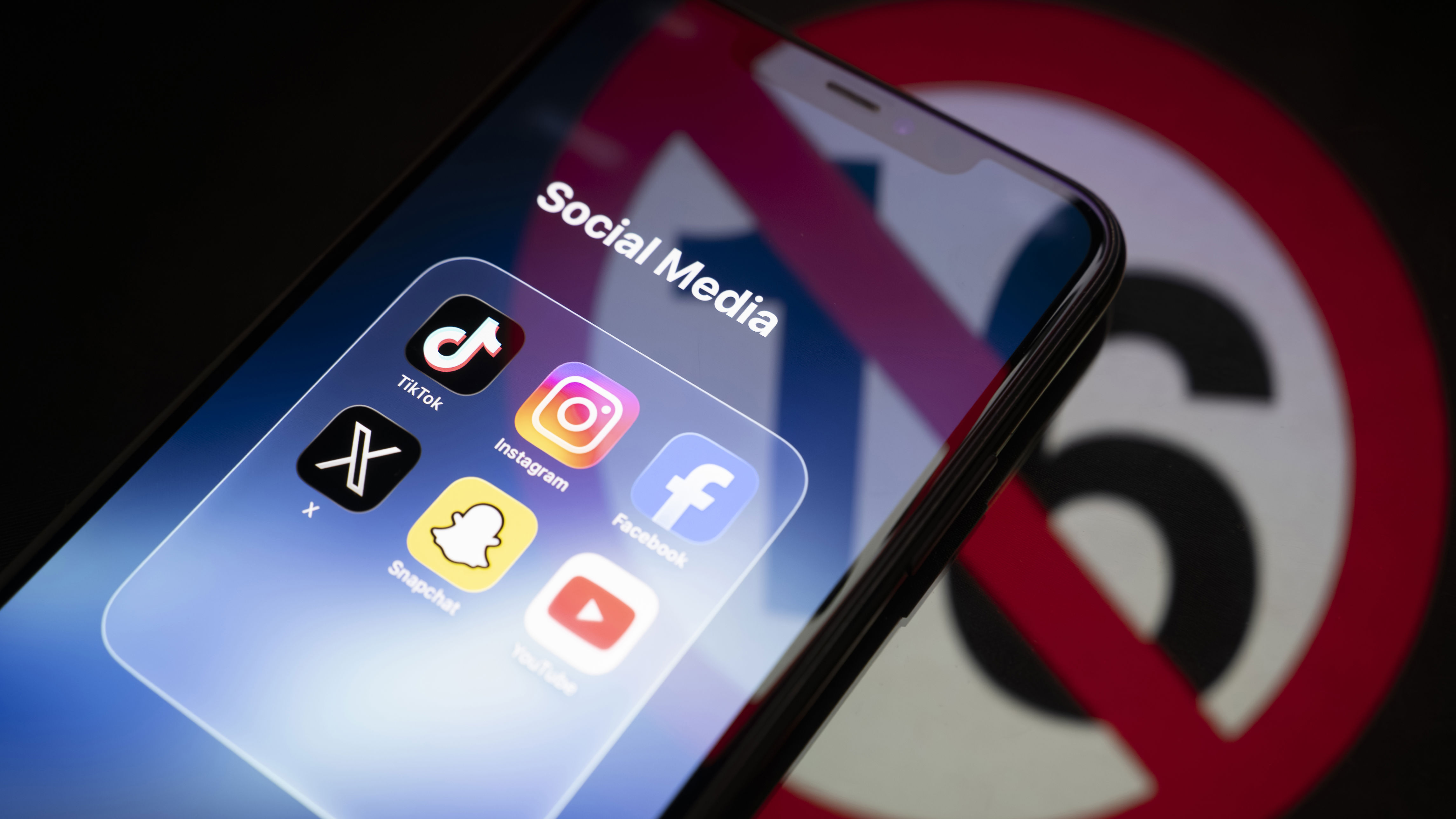
The UK government has announced a plan to ban under-16s from using major social media platforms, including Snapchat, TikTok, YouTube, X, Instagram, Facebook, and gaming platforms. The measure is expected to come into effect in spring 2027. However, the effectiveness of this ban has been called into question by several experts, including Reform UK leader Nigel Farage.
Farage expressed skepticism about the plan, stating that it is “unlikely to work” due to the widespread use of virtual private networks (VPNs). He argued that while the intention behind the ban may be good, it could lead to the introduction of digital identity systems through the back door.
Understanding the Use of VPNs
VPNs are security tools that millions of Brits use daily to protect their internet connections and enhance their online privacy. They allow users to change their IP address and spoof their location, which can help them bypass certain restrictions. This capability raises concerns about the effectiveness of the proposed social media ban for under-16s.
Despite these concerns, UK Prime Minister Keir Starmer insists that the ban is enforceable. When asked about children using VPNs to bypass restrictions, he stated, “I’m not prepared to say that because some children may try to get around it — and some may get around it — that is not a good reason to take the act of banning. I just don’t accept that.”
How the Ban Might Be Enforced
The UK’s social media ban targets “user-to-user platforms” that enable public social interaction, with messaging services like WhatsApp and Signal excluded from the bill. The legislation is modeled after Australia’s approach but aims to go further by implementing additional measures such as blocking harmful functions like livestreaming and communication with strangers for children under 16.
Lawmakers are also considering potential curfews and breaks in infinite scrolling for under-18s, with more details expected in July. However, the exact mechanisms for enforcement remain unclear.
Challenges in Enforcement
Social media platforms may strengthen mandatory age verification checks to enforce the new rules. However, the effectiveness of these checks depends on how they are implemented. For instance, if age verification is conducted at the App Store or device level, it may be harder for users to bypass it using a VPN.
Platforms may also determine a user’s true location through various methods, including network and SIM card data, as well as in-app GPS tracking. Despite these measures, there may still be ways to circumvent the restrictions.
Alternative Circumvention Methods
According to James Baker, Platform Power and Freedom of Expression Programme Manager at Open Rights Group, there are “a host of ways” young people could bypass the ban without needing a VPN. He mentioned that evidence from Australia showed many young people circumventing age checks by tricking facial age estimation or borrowing identity documents.
As more details emerge, the practical implementation of the ban and potential workarounds will become clearer. While the government remains confident in its approach, the debate over the effectiveness of the social media ban for under-16s continues.