This is a weekly digest of technology news, covering columns, major stories, and personal tech advice. If you’re not already subscribed, consider signing up to stay updated.
Apple made one of its most significant software announcements in recent years at its developers conference this week. What stood out was the audience’s relatively subdued reaction. As we sat under the hot sun in Cupertino, there were long periods of attentive silence, occasional polite claps, and a few cheers. This was a notably muted response from an audience that typically shows more enthusiasm.
I have been attending Apple events for 14 years. The attendees usually consist of app developers, tech influencers, and company employees who often react with excitement during each demo. However, this year’s event featured the much-delayed reboot of Siri, which had been promised two years ago. Despite the potential significance of this technology for Apple’s future success, the audience seemed unimpressed because they had heard similar promises before.
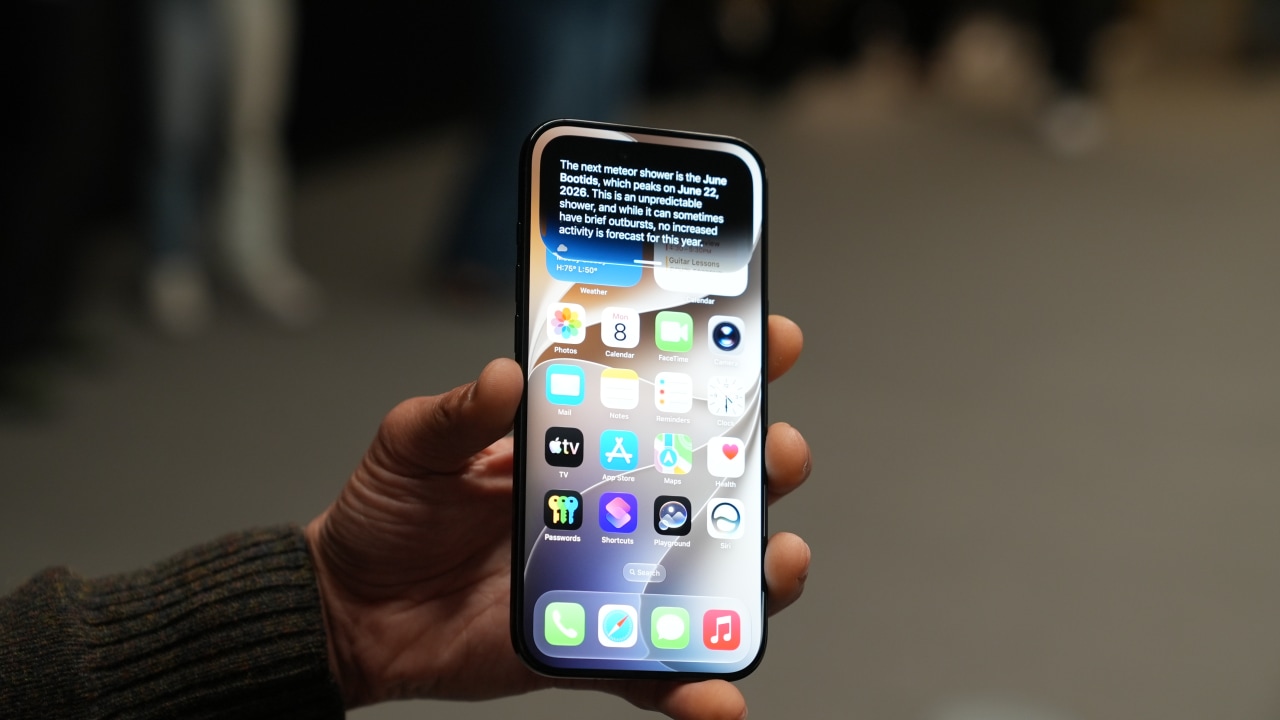
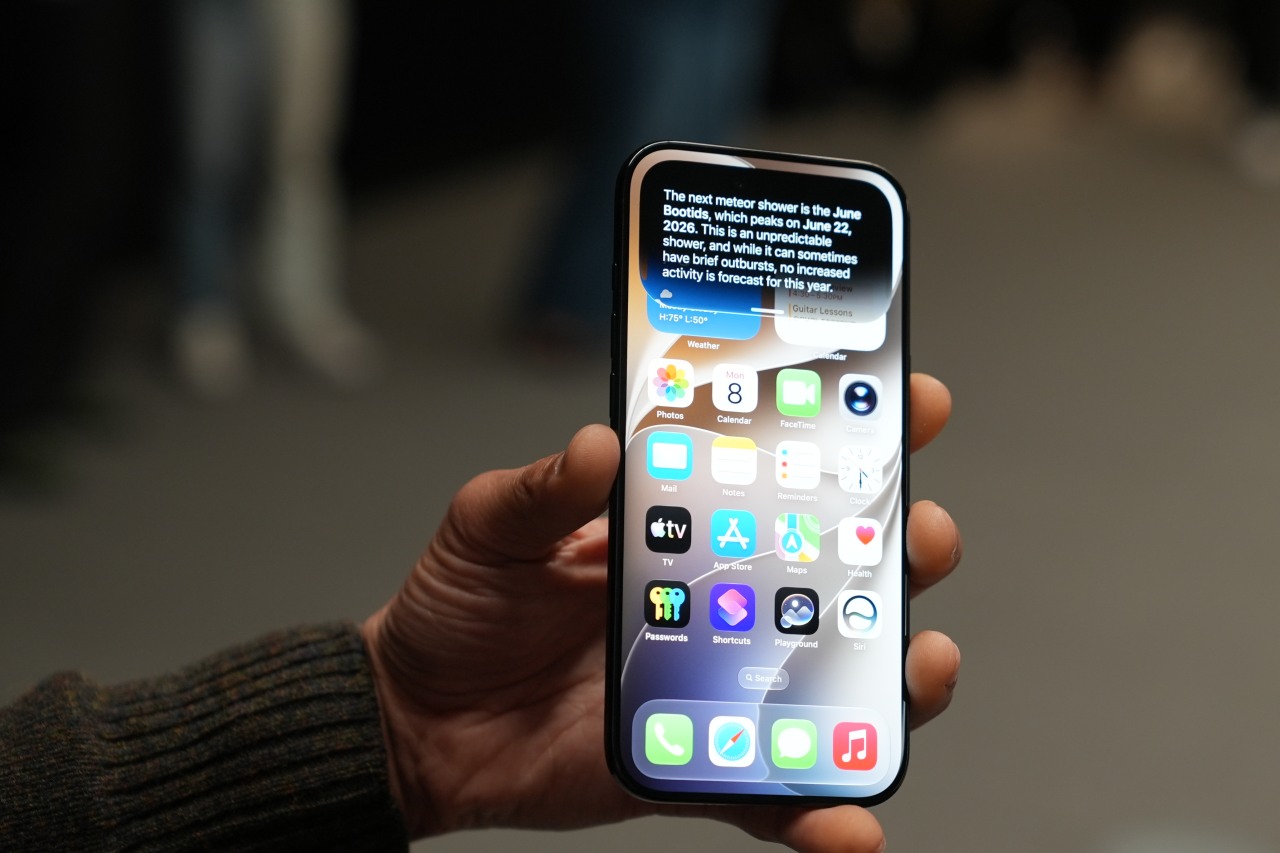
For users already familiar with AI, the new features of Siri don’t seem groundbreaking. Instead of simply providing web results, the updated Siri can now answer questions directly. It can scan your screen or “see” through the camera app. Additionally, it can sift through your email, calendar, and messages to find personal information. (Read more about these developments in my latest column.)
This sounds like standard ChatGPT functionality. However, what makes this particularly noteworthy is that Siri AI will soon be just a swipe or button press away on hundreds of millions of iPhones. Apple has consistently shown the power of a default feature. Now, we’ll have to wait and see if Siri’s new capabilities meet the high expectations set over the past several months when it becomes available later this year.
—Nicole Nguyen is a personal technology columnist based in San Francisco.
The Latest From Our Columnists
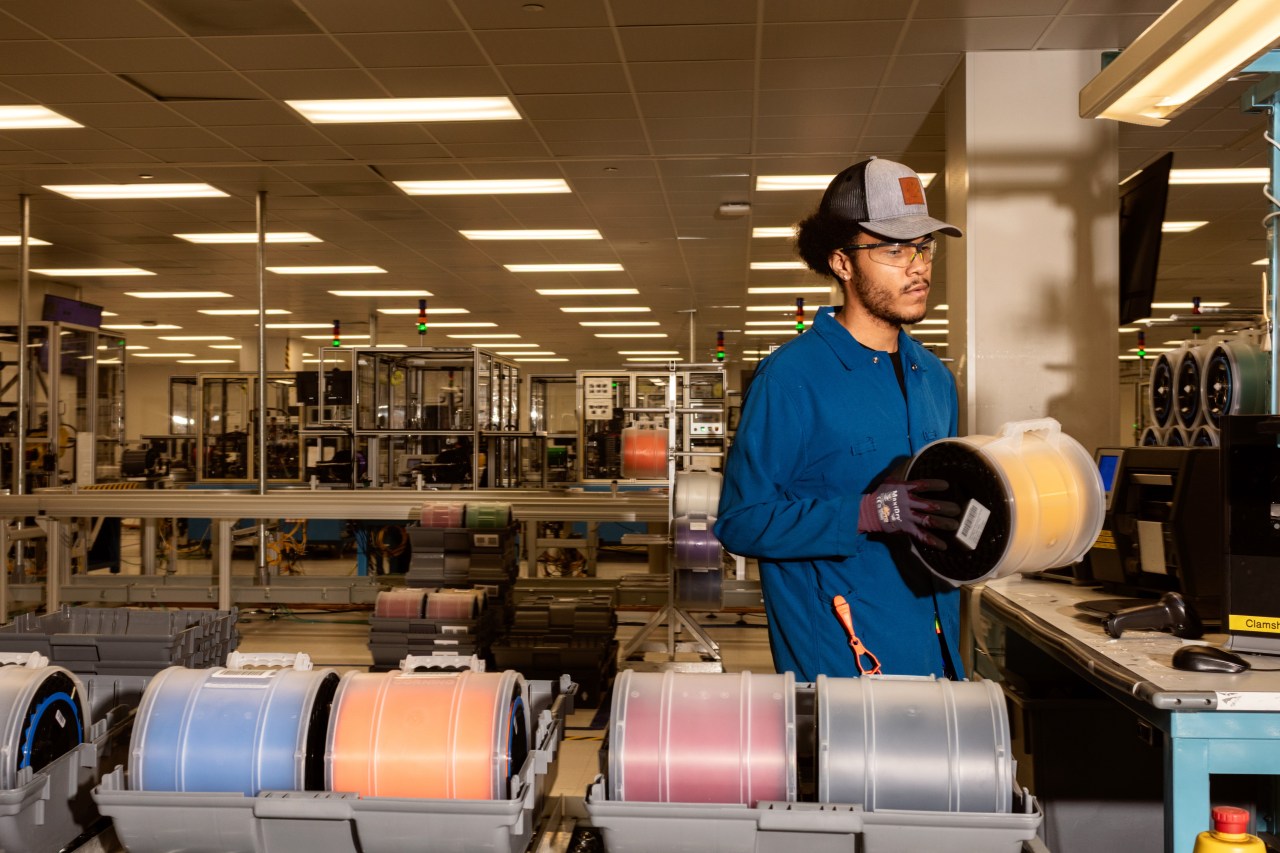
Christopher Mims: Corning Is Riding High on AI—and Planning Ahead in Case It Goes Bust
The 175-year-old company known for glass phone screens and fiber optics recently signed major deals with Nvidia, Meta, and Amazon. However, CEO Wendell Weeks remains cautious about overcommitting to tech companies that may not need as much manufacturing capacity as they think.
Asa Fitch: Meta’s Subscription Push Exposes Its Weak Hand in AI
Most of Meta’s revenue comes from advertising, and it has struggled to expand its core business. CEO Mark Zuckerberg wants to charge Meta’s roughly 3.5 billion daily users a monthly fee for extra features and is trying to sell an AI agent to companies. Investors are not reassured by these efforts.
Tim Higgins: SpaceX’s IPO Proves the Power of Elon Musk’s ‘Superlative’ Strategy
Everything about the SpaceX IPO reflected Elon Musk’s original goal. From the beginning, roughly 25 years ago, he aimed for superlatives. He wanted to capture attention, fuel imaginations, and create public support—excitement—for space travel.
This week, he achieved superlatives: the world’s biggest IPO. Tens of billions of dollars to fund his ambitions to put giant rocket ships into space, build out AI data centers in orbit, and one day, perhaps, establish a city on Mars with 1 million people.
Big Stories
Amazon CEO’s Talks With U.S. Officials Triggered Crackdown on Anthropic Models
The Trump administration’s decision to halt all foreign use of Anthropic’s most capable AI models was prompted by conversations between Amazon CEO Andy Jassy and U.S. officials, including Treasury Secretary Scott Bessent, according to people familiar with the matter.
The 24-Year-Old AI Wiz Who Counts Jane Street as an Investor
Leopold Aschenbrenner’s forecasts about the future of artificial intelligence earned him a cult following online, where his investment firm’s routine regulatory filings are studied like scripture. The parabolic performance of his hedge fund has given the 24-year-old Aschenbrenner a fan club on Wall Street as well.
AI Supercharges Deepfake Porn—Unleashing a New Form of Bullying Among Kids
Easily accessible AI “nudify” tools have spread in school hallways and on social media. While the government began enforcing the Take It Down Act in May, cases remain underreported and under-prosecuted. Victims are left to protect and advocate for themselves.
🖨️ Tech Ticker

School Supplies:
A Meta data center in Louisiana is bringing in sales tax and $50,000 bonuses for teachers.
Go Phish:
AI is turbocharging scammers, and Google sued a scam group for $1.9 billion for using Gemini to create phishing websites.
Privately Public:
OpenAI confidentially filed IPO paperwork but has yet to decide on the timing of the listing. Meanwhile, a coalition of state attorneys general has opened an investigation into the company.
Price War:
Companies fearing high AI costs are mixing in open-source models. Pressure is mounting for leading labs Anthropic and OpenAI, which is considering drastic price cuts.
Other Smart Stuff
Cameras, Sensors and 3-D Body Scans: All the Tech Helping Eliminate Blown Calls (Wired)
Anthropic Blindsides Its Business Partners (The Information)
From Cow-Milking Robots to Weed-Zapping Lasers, Farmers Are Embracing AI (NYT)
🎥 Watch This: What to Know About SpaceX’s Blockbuster IPO
Also read: Musk Confidant Antonio Gracias Set for $68 Billion SpaceX Win
Tech News Briefing
We’re Doomed
…when the robots’ secret weapon for invading our homes is overwhelming cuteness.
About Us
The Technology newsletter is a weekly digest of tech reviews, columns, and headlines from Deputy Tech & Media Editor Wilson Rothman, Deputy Tech Bureau Chief Brad Olson, and tech intern Tina Li. Write to Wilson at wilson.rothman@wsj.com and Brad at bradley.olson@wsj.com. Got a tip for us? Here’s how to submit.