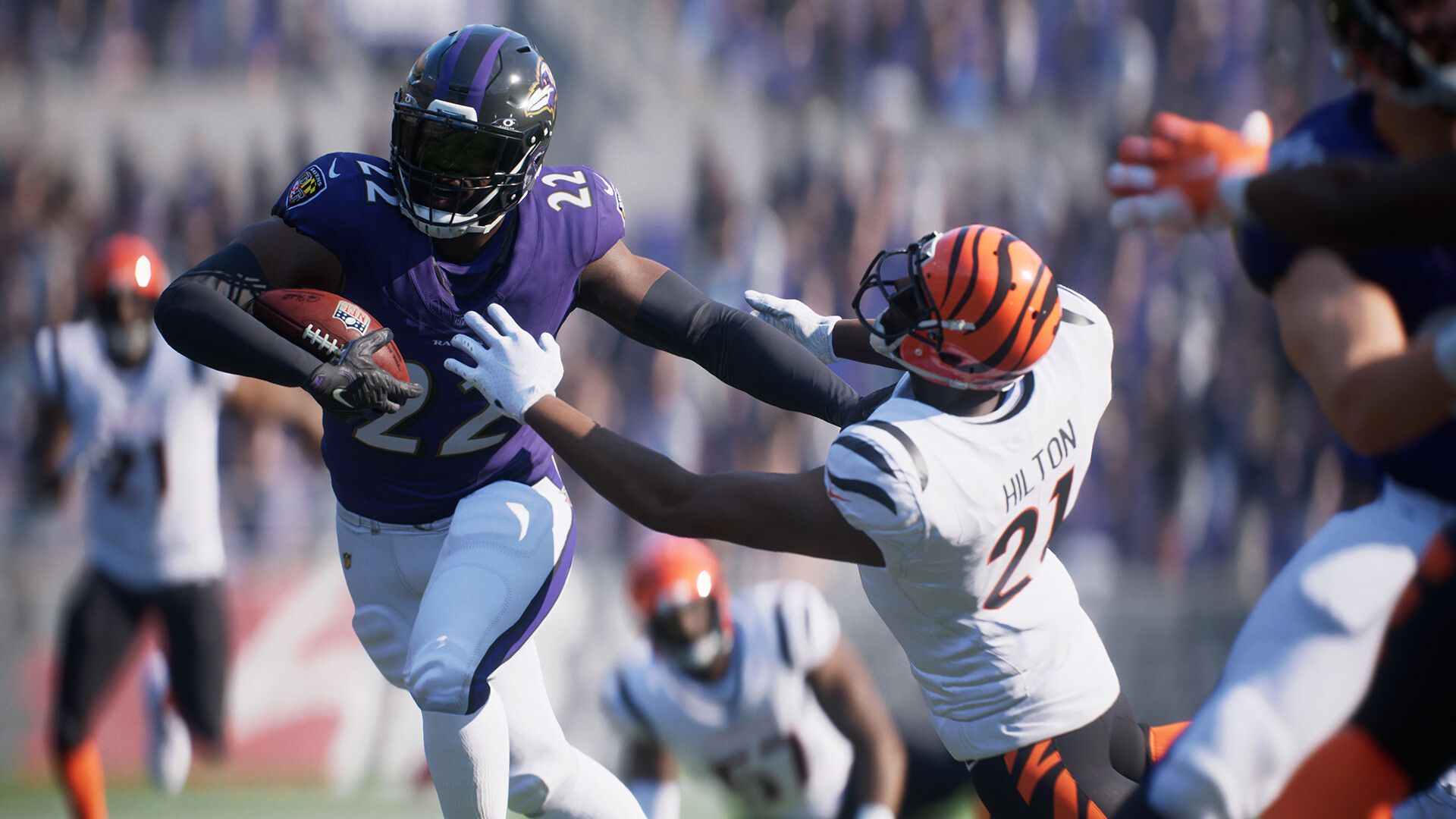
The New Era of Advertising in Video Games
Electronic Arts (EA) has launched a new initiative that is set to change the way brands interact with gamers. This new platform, called EA Advertising, aims to transform how companies connect with audiences through digital and real-world experiences across EA’s global portfolio of games. While this might sound like a groundbreaking move, it’s essentially an expansion of existing practices—placing more product placements and advertisements within EA’s popular titles.
According to a news release, EA Advertising offers “dynamic, real-time placements, from stadium signage to custom in-game content.” This means that ads could appear not just as static signs in virtual stadiums but also as part of in-game challenges, objectives, and even custom items. For example, if you’re playing a game like Madden or EA Sports FC, you might soon see gambling advertisements during gameplay, similar to what you’d experience in real-life sports broadcasts.
This isn’t entirely new for EA. The company has already integrated brand partnerships into its games. For instance, Mountain Dew has its own “DEW University” in College Football 26, complete with a custom stadium, field, and logos. Xfinity has sponsored Ultimate Team Packs in EA Sports FC 26, while Lowe’s, Visa, Red Bull, and Peacock have all participated in advertising campaigns with EA.
Expanding Beyond Sports Games
While EA Advertising currently focuses on its sports franchises, such as Madden NFL, EA College Football, and EA Sports FC, there’s no indication that this will be the only area where these ads appear. It’s possible that non-sports titles could also feature sponsored content. Imagine being able to dress your Sims in T-shirts with the Mountain Dew logo or using a Red Bull-themed armor in the next Mass Effect game. Even your in-game Visa credit card could be used to purchase these branded items.
The introduction of EA Advertising comes at a time when other major players in the gaming industry are also exploring new monetization strategies. Earlier this week, Matthew Ball, Xbox’s chief strategy officer, suggested that ads in games could offer more affordable alternatives to ad-free experiences. This model is similar to how streaming services like Netflix and Disney Plus offer ad-supported tiers at lower prices.
The Future of Product Placement in Games
Mark Darrah, a former BioWare employee, recently discussed the ways video games are monetized in a YouTube video. He pointed out that product placement is currently a small part of video game revenue compared to movies and television. However, he suggested that this could change in the future. “Product placement is a very small part of video games right now compared to movies and television. Maybe it could be a larger part of development. Maybe there are relationships there to be formed.”
One of the most notable examples of product placement in games is the integration of Monster energy drinks in Death Stranding. This kind of collaboration shows how brands can work with developers to create unique in-game experiences that benefit both parties.
How EA Advertising Works
EA Advertising works directly with brands and partners to create bespoke integrations across its portfolio, spanning in-game, community, and real-world experiences. This means that companies can tailor their advertisements to fit the specific context of each game. Whether it’s a custom item in a game or a sponsored challenge, these partnerships are designed to enhance the player experience while generating revenue for both EA and its partners.
With a new College Football game set to launch next month and a new Madden title coming in August, it’s likely that we’ll see more ads in these games. As the gaming industry continues to evolve, it’s clear that advertising will play an increasingly important role in shaping the future of video games.