The Role of AI in Tomb Raider: Legacy of Atlantis
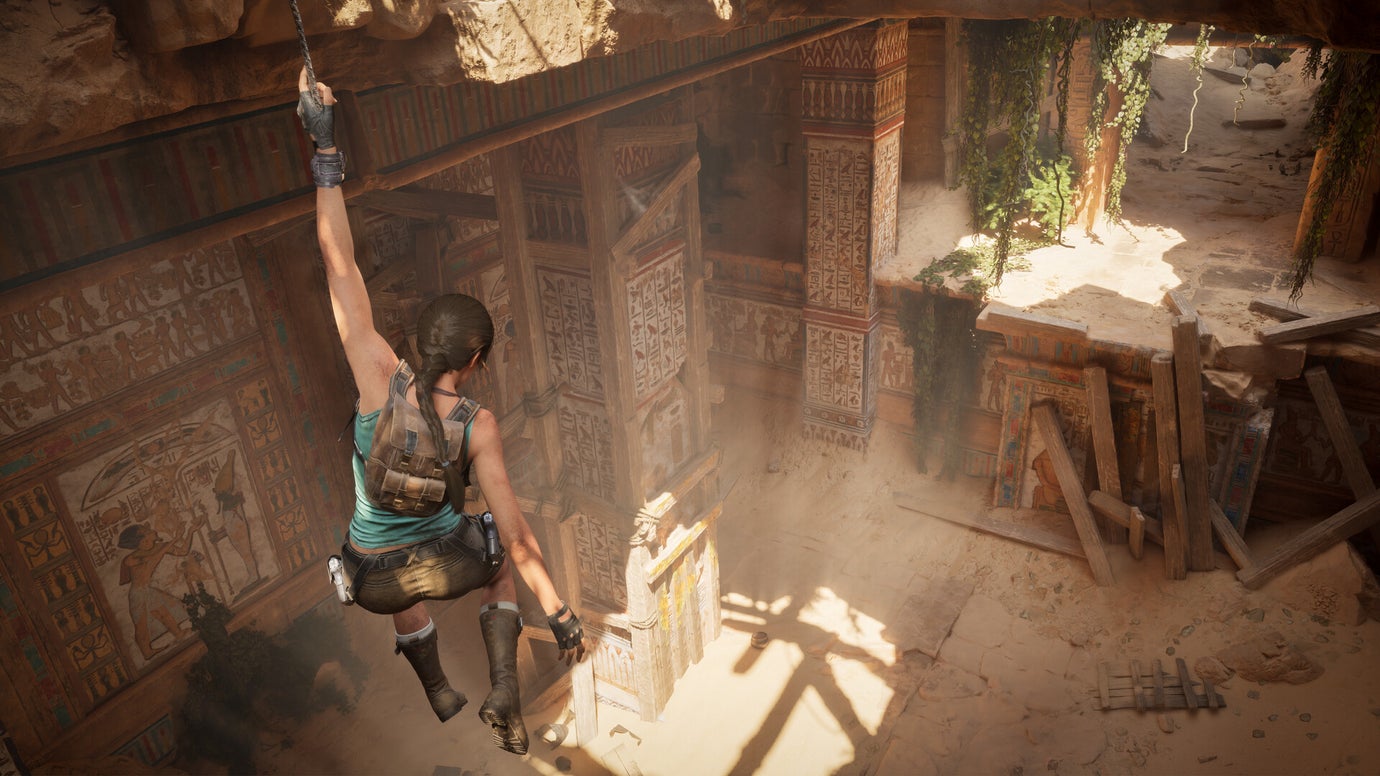
Tomb Raider: Legacy of Atlantis recently captured the attention of gamers and industry insiders alike, not only for its release date trailer but also for the innovative use of artificial intelligence (AI) during its development. This revelation sparked discussions about the role of AI in game creation and how it can enhance the development process.
Crystal Dynamics, the studio behind the Tomb Raider series, has been utilizing AI tools to streamline their workflow. According to a representative from the studio, these tools are used to “help our teams iterate on ideas faster and more efficiently, while ensuring that all finished content in the final product is human-crafted.” This approach ensures that the creative vision remains intact while leveraging technology to improve efficiency.
Jeff Adams, the director of experience at Crystal Dynamics, provided further insight into how AI is being used in the development of Tomb Raider: Legacy of Atlantis. He explained that AI is employed to create placeholder assets, which help the team visualize concepts during the early stages of level development. This allows the team to “get to [the] right answers faster.”
“Let me give you an example of what that looks like,” Adams said. “So, say in early level development, we have an idea for an object, but we’re not sure whether or not we want to take the dev time to build it. We can use a generative AI tool to help us visualise that object in the world. If it works, we’ll then move it to our traditional pipeline. From there, the team will concept it, they’ll build it, and we’ll make sure that all the finished content in the final game is human-crafted.”
Adams emphasized the importance of providing the team with the right tools to deliver the best possible experience. “It’s really important for us that our team has the tools to make the highest quality experience possible,” he added. “Our fans deserve nothing less than that.”
When asked about the practical implementation of AI in the development process, a PR representative stated that this was all Crystal Dynamics had to say on the topic for now. However, the studio plans to discuss the use of AI more openly once Tomb Raider: Legacy of Atlantis is released next year.
“We just want to make it as easy as possible for us to make high-quality game experiences,” Adams concluded. “That’s really the important thing.”
The use of AI in game development has sparked a broader debate within the industry. Some developers, like Tim Sweeney of Epic Games, argue that disclosing AI usage is unnecessary, stating that it makes “no sense” for developers to disclose such details. Others, however, believe that transparency is essential, especially as AI becomes more prevalent in the creative process.
Notably, Aloy actress Ashly Burch has expressed support for AI’s potential benefits but stressed that it should never replace human creativity. This sentiment highlights the ongoing discussion about the balance between technological advancement and artistic integrity.
Release Details and Reception
Originally slated for a 2026 release, Tomb Raider: Legacy of Atlantis will now launch on 12th February next year. The game will be available on PlayStation 5, Xbox Series X/S, Switch 2, and PC via Steam.
Despite the excitement surrounding the game, some critics have tempered expectations. Our Chris recently played the game and described it as “strangely double-A,” noting that it is “breezy and enjoyable enough.” While praising the new voiceover for Lara Craft and the nostalgic design elements, he cautioned that it is not a “prestige, properly modern remake.”
Overall, Tomb Raider: Legacy of Atlantis represents a blend of traditional gameplay and innovative development techniques, showcasing the evolving landscape of game creation. As the release date approaches, fans and critics alike will be watching closely to see how the integration of AI influences the final product.