Spotify has long been a dominant force in the music industry. With its transition from traditional music delivery methods to streaming, the platform has experienced significant growth, generating over $19.81 billion in revenue in 2025 alone. However, despite its success, a growing number of users are beginning to abandon the service. Some have switched to other platforms, while others have moved away from streaming altogether.
There is no single reason behind this trend. Instead, multiple factors contribute to users leaving Spotify. Through extensive online research, we identified several key reasons, including low artist payouts and the rise of AI-generated music. Additionally, the issue of not owning any of the music you pay for is another common complaint. Whether you’re on the fence about leaving or simply unaware of why some users are dissatisfied, here are some of the main reasons people are choosing to leave Spotify.
Supporting Artists They Love

Earning a living as a musician has always been challenging, but the streaming era has made it even more difficult. Musicians often spend long hours practicing and creating, touring for months at a time, and constantly striving for that next big hit. Even before the rise of streaming, music piracy was a major issue. Physical sales were declining, and new platforms like Spotify played a role in that shift.
In its early years, Spotify faced criticism for its low royalty payments to artists. Many musicians revolted, pulling their music from the platform. One of the most notable cases was Taylor Swift, who removed her catalog in 2014 due to concerns over compensation. While Spotify updated its payout system in 2024 to better support artists, many still feel it’s not enough. Artists report receiving as little as $0.003 to $0.004 per play, which is lower than what competing platforms offer. As a result, some users are choosing alternative ways to support the artists they love.
The Rise of AI Slop Content
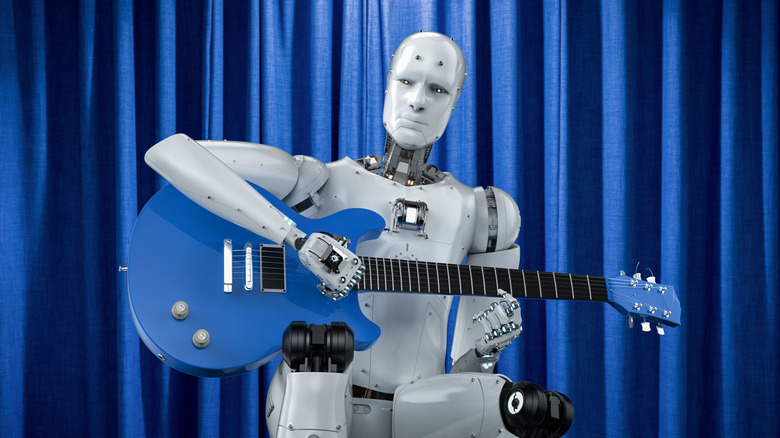
Spotify has not been immune to the rise of AI-generated content. There has been a noticeable increase in AI “artists” on the platform, with some even securing major record deals. This trend has sparked outrage among users, who argue that real artists are struggling to make a living while AI content floods the platform.
Spotify’s leadership has defended the inclusion of AI music, leading many users to believe that this trend could further reduce payments to human artists. To address this, Spotify now provides badges to help users distinguish between real artists and AI-generated content. Online communities, such as Reddit and Facebook, are filled with complaints about the rise of AI music, particularly in Discover playlists. Many users feel that AI is harming the music industry, prompting them to leave Spotify in search of authentic, human-made music.
You Don’t Own Anything

While streaming continues to dominate, there is a growing movement toward owning physical media. Offline music is making a comeback, especially among Gen Z, who are embracing CDs and vinyl records. In fact, CD sales outperformed digital albums three to one in 2025. This trend highlights a desire for tangible ownership in an increasingly digital world.
Owning physical media allows users to connect with music in a more personal way. It offers freedom from ads, algorithms, and the constraints of streaming. Many users have shared their experiences of leaving streaming services to build physical collections, citing the intimacy of listening to an album from start to finish without interruptions.
Losing Your Agency to the Algorithm
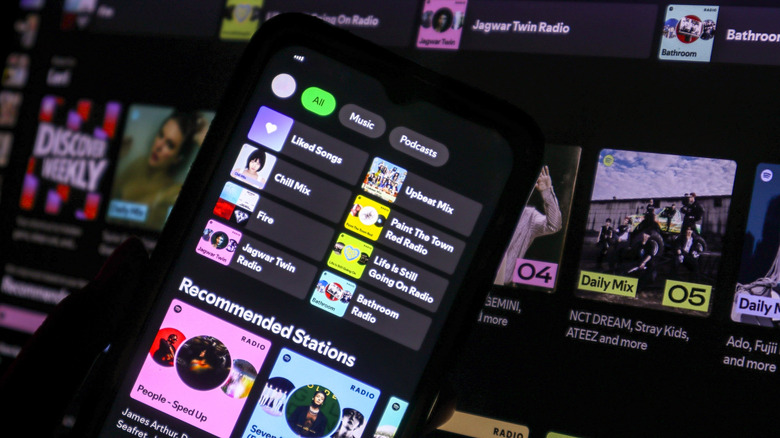
The experience of discovering new music is often deeply personal. It can be a moment of connection, whether it’s a song heard on the radio or a recommendation from a friend. However, many users feel that Spotify’s algorithm diminishes this experience by offering generic recommendations. Instead of finding unique and meaningful music, users often end up with the same content as everyone else.
Physical media allows for a more eclectic and personal collection, featuring experimental albums, rare tracks, and music from local artists. These experiences are often lost on streaming platforms, where the focus is on what an algorithm thinks you might like rather than what resonates with you.
The App Keeps Getting Worse

User dissatisfaction with Spotify extends beyond content to the app itself. Many users find the interface bloated and unresponsive, with updates that fail to improve the overall experience. Poor-quality audio streams and unreliable performance have also led to frustration.
Some users have criticized Spotify for becoming too similar to TikTok, with endless scrolling and auto-playing video content. While the option to disable video content exists, it signals that Spotify recognizes these issues. For long-time users, the app’s decline has become a significant factor in their decision to leave, with some even resorting to piracy due to ongoing technical problems.
Methodology

To identify the main reasons users leave Spotify, we looked at recurring themes across social media platforms like Reddit, Facebook, YouTube, and TikTok. We focused on the most frequently mentioned issues, including poor artist payouts and the rise of AI-generated music. We also consulted a former user of Spotify, Apple Music, and Amazon Music who has since left the world of streaming.