A Deep Dive into the Artistic Vision of Motorslice
Motorslice has quickly become one of the standout indie games of the year, capturing the attention of players and critics alike with its unique blend of aesthetics and gameplay. Developed by a two-person team at Regular Studio, this game is a testament to the power of creativity and resourcefulness in game development. From its visual design to its gameplay mechanics, every aspect of Motorslice reflects a thoughtful approach that turns limitations into strengths.
The Origins of a Unique Visual Identity
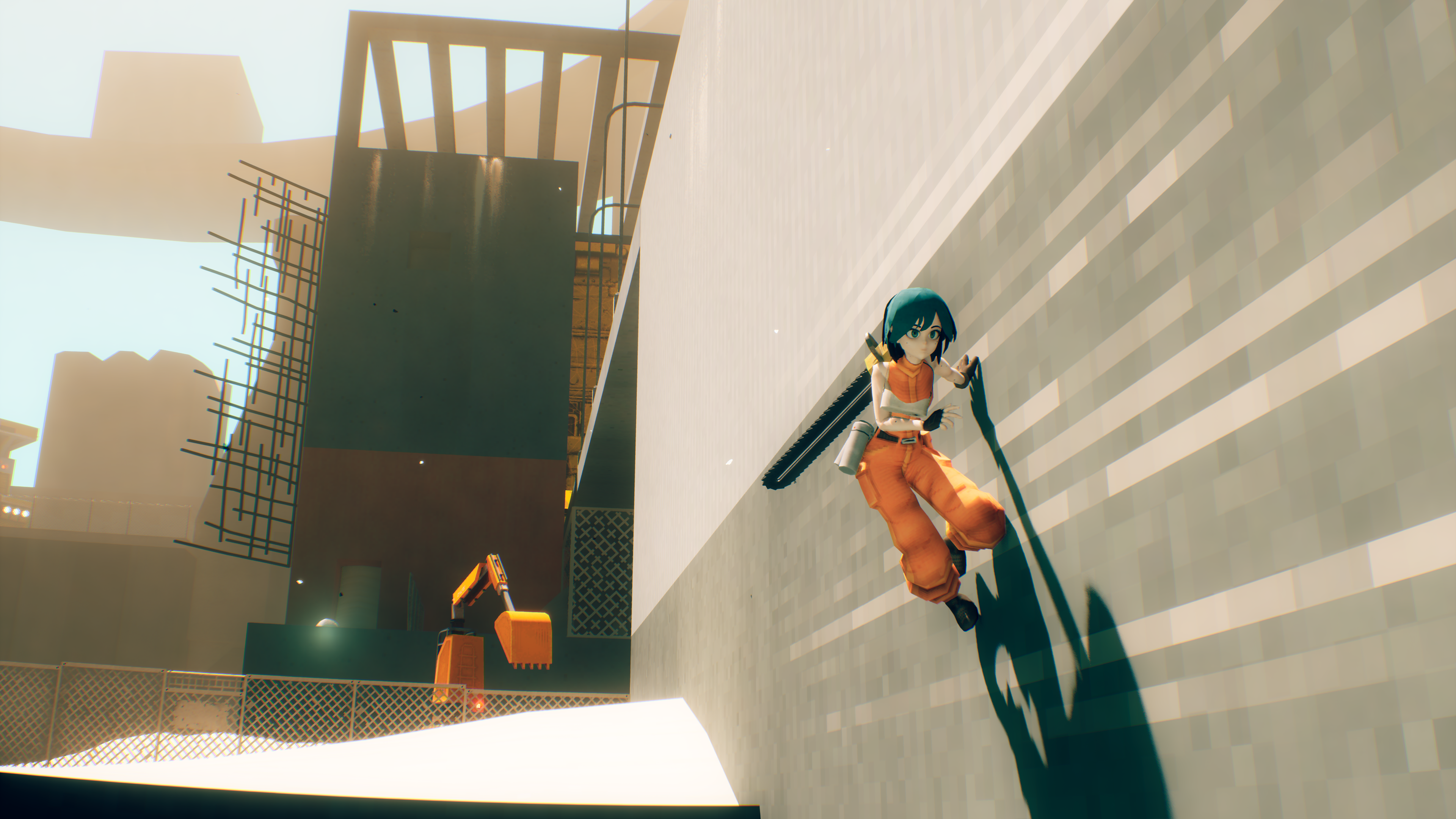
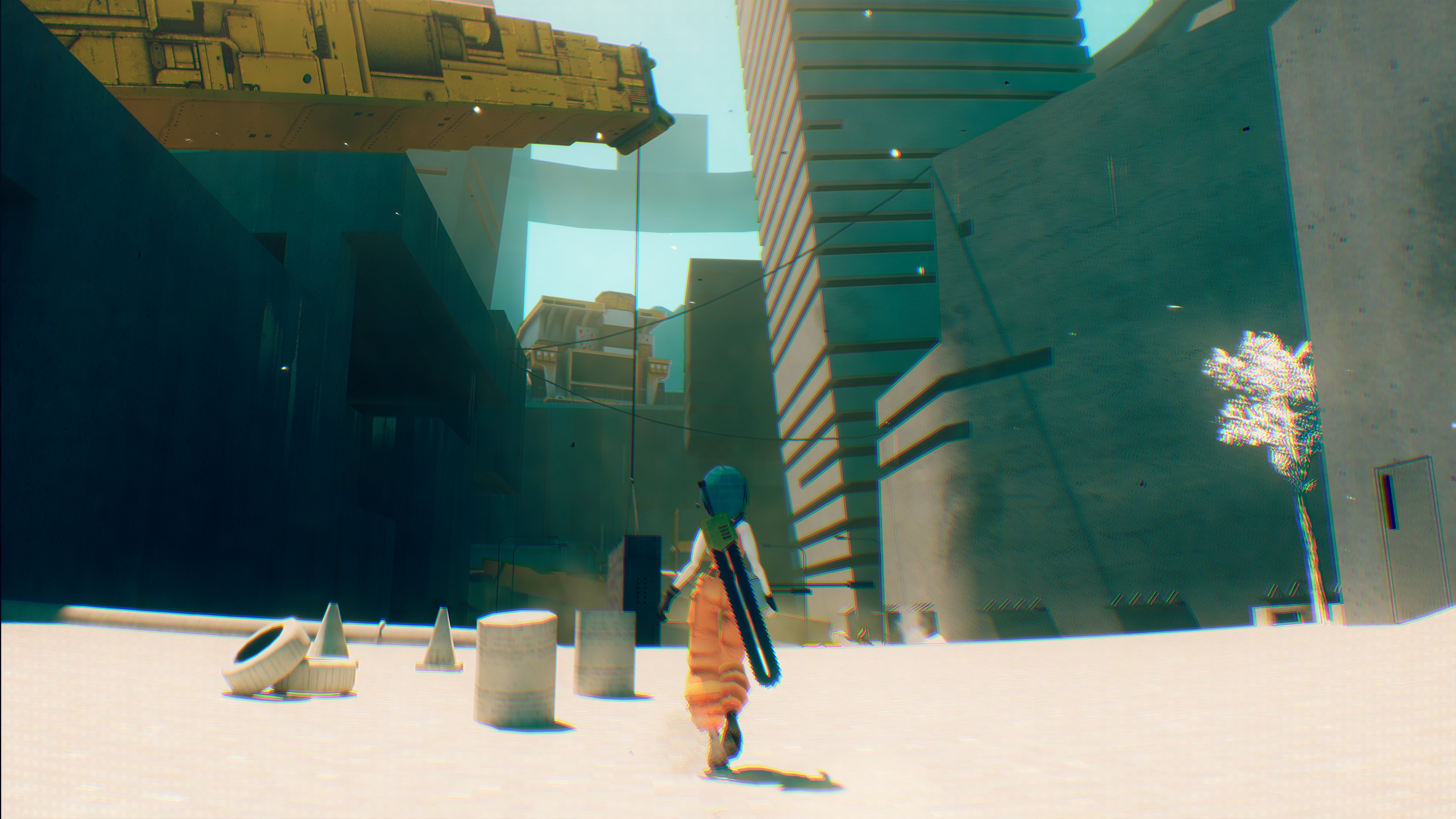
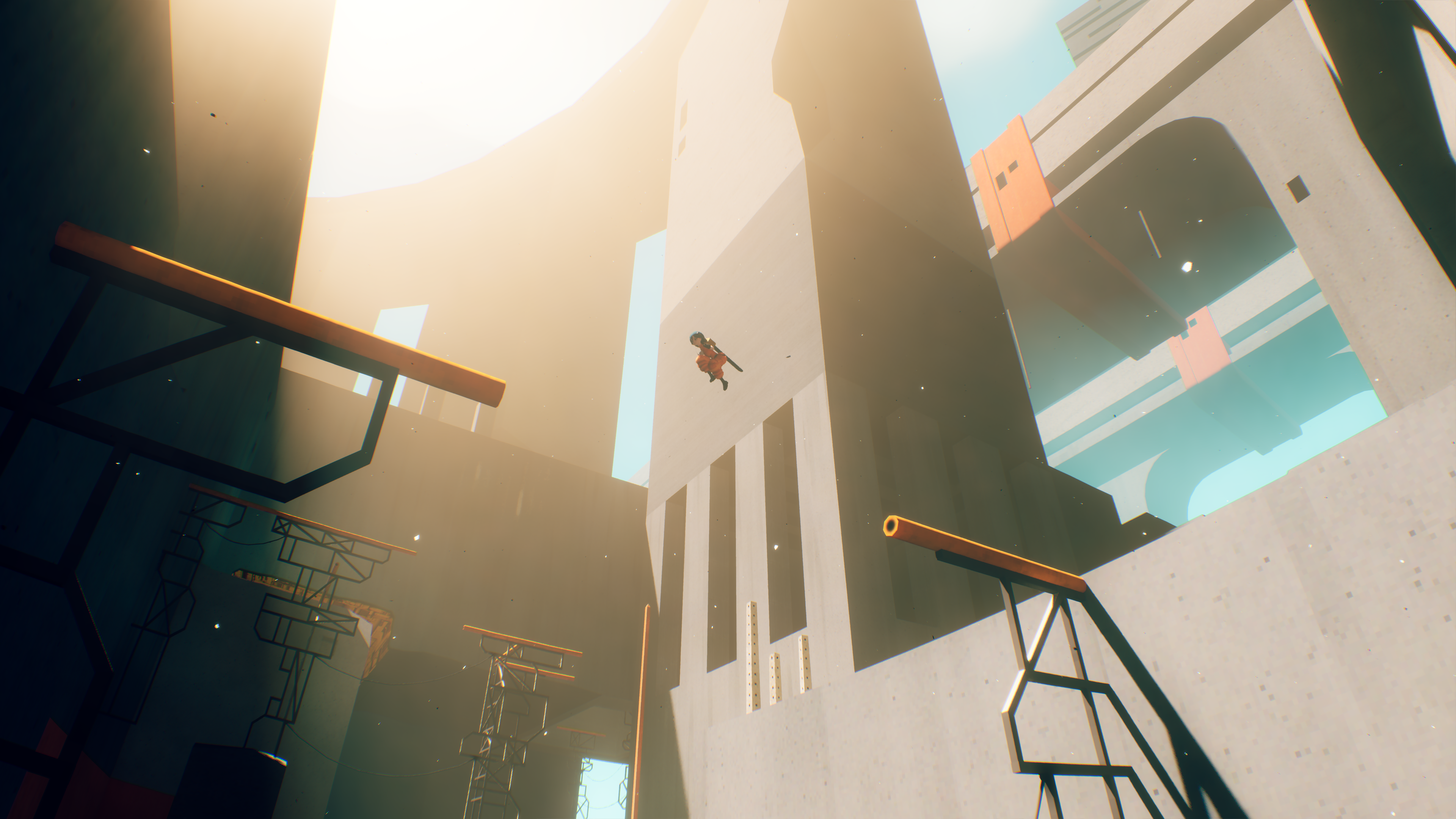
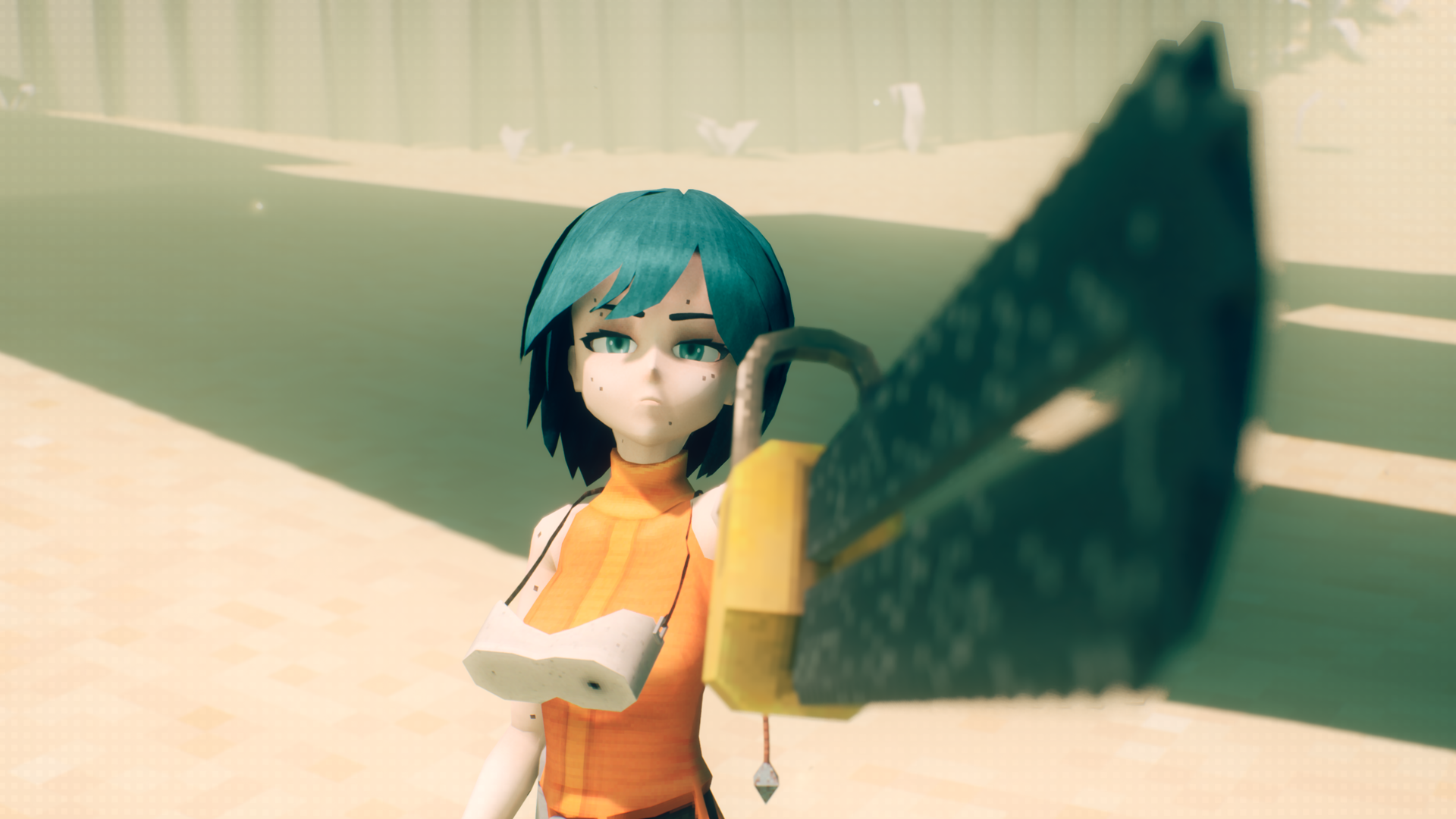
The artistic vision for Motorslice was rooted in a desire to create an atmosphere that felt both striking and desolate. The developers aimed to craft a world that was not just visually appealing but also emotionally resonant. This vision was shaped by influences from various sources, including the works of Fumito Ueda, whose games are known for their vast, lonely landscapes. The art direction of Mirror’s Edge, which uses color and design to guide players through the environment, also played a significant role in shaping the game’s aesthetic.
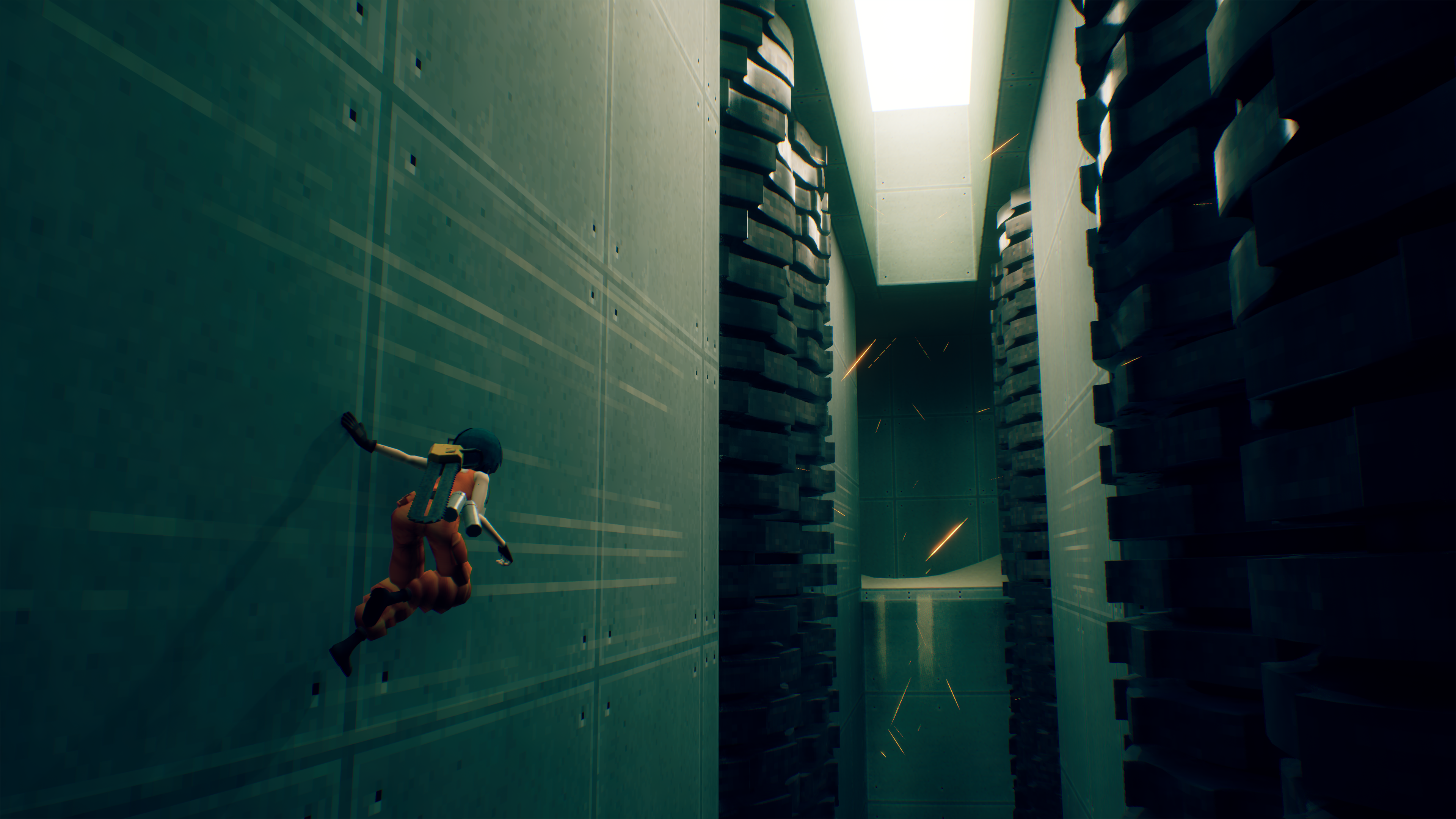
Brutalism architecture emerged as a key influence, not only for its visual appeal but also for its practicality. As a minimalist style, brutalism allowed the team to create complex environments with limited resources, making it an ideal choice for a small development team.
Balancing Readability and Visual Chaos
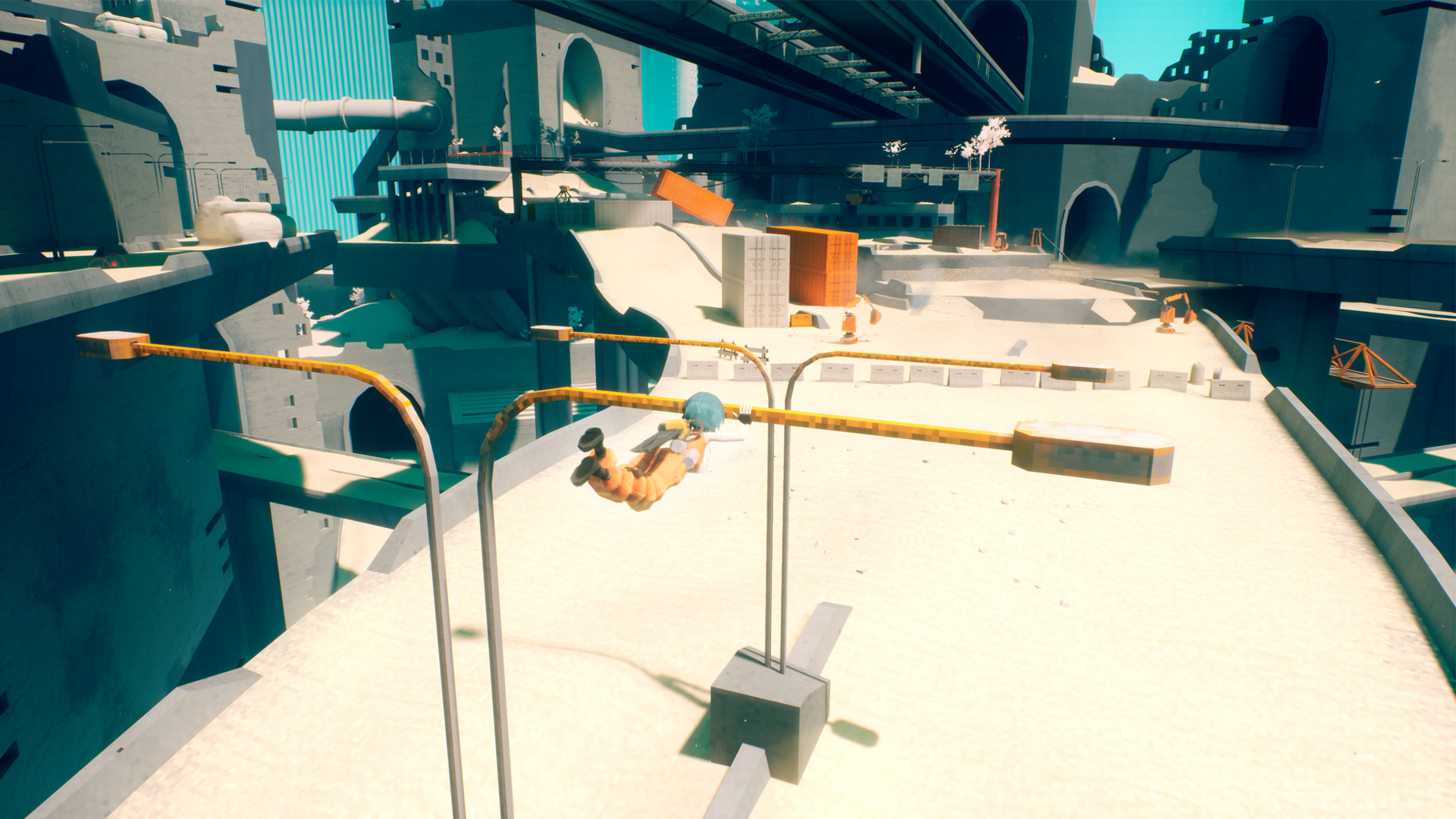
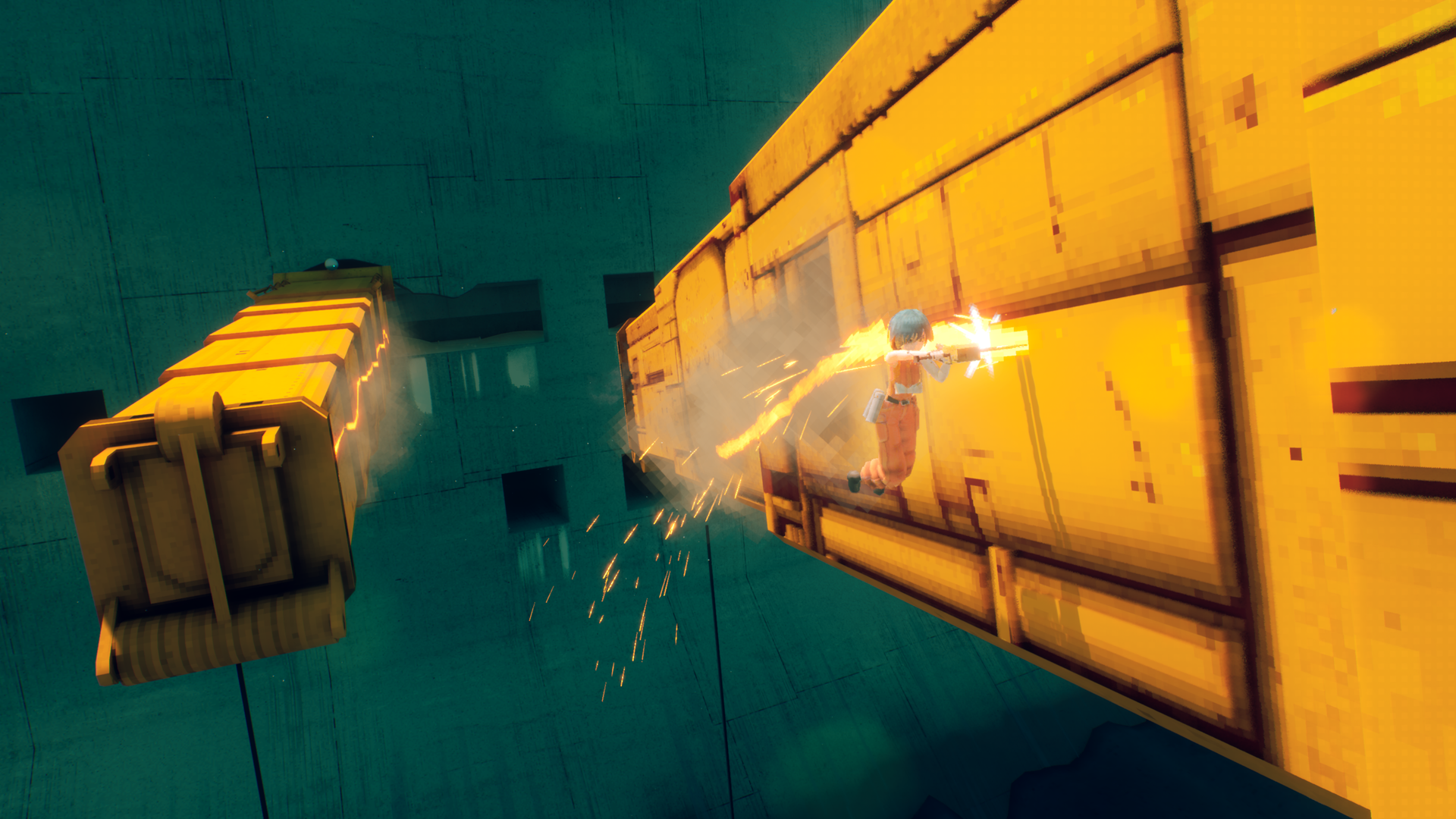
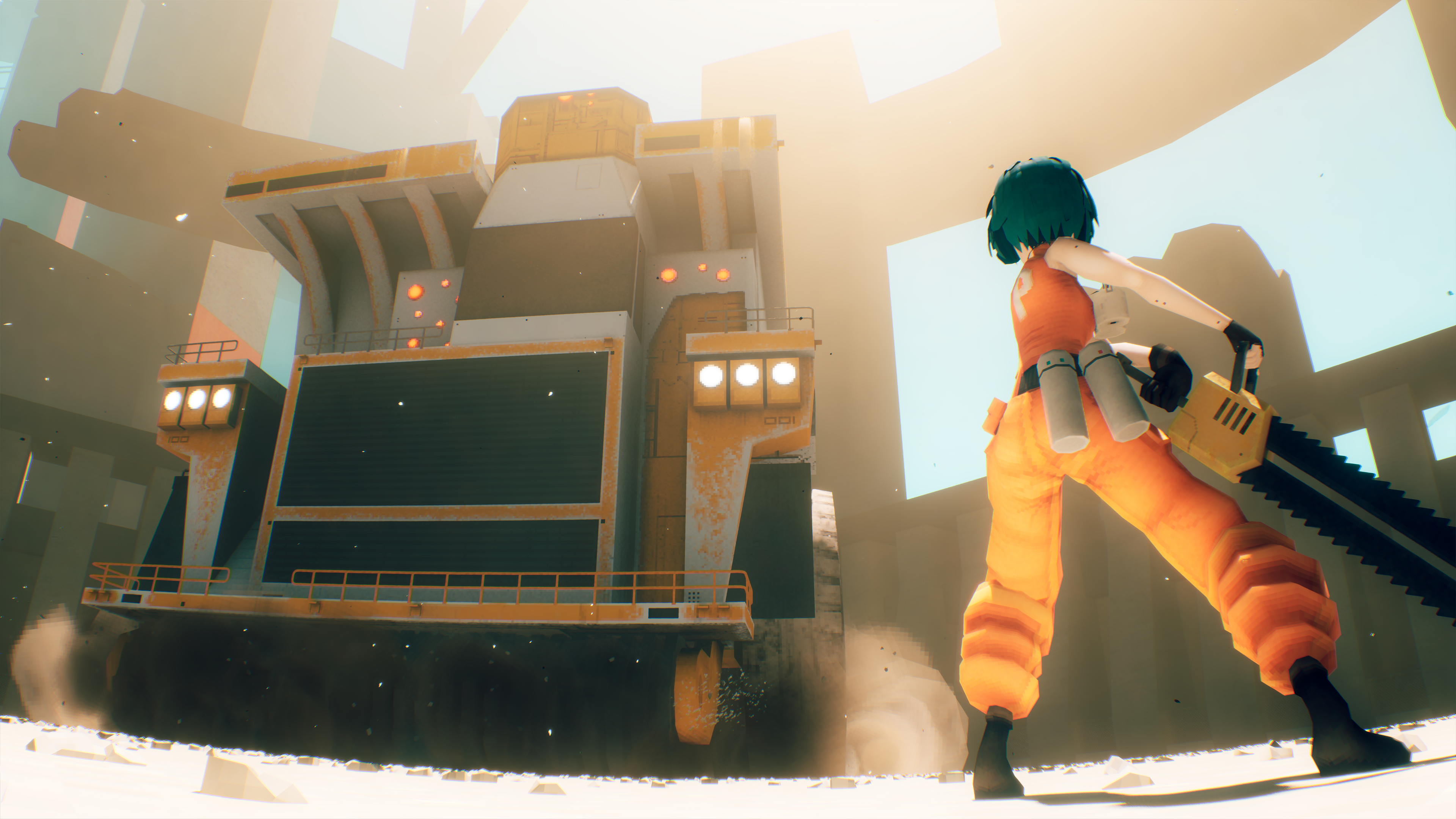
One of the biggest challenges in designing Motorslice was ensuring that the game remained readable despite its visually chaotic elements. The developers tackled this by using a consistent color palette, primarily relying on yellow, which is commonly associated with heavy machinery. This choice not only helped in creating a cohesive look but also served as a navigational aid for players during high-speed gameplay moments.
In addition to color, the use of shapes and environmental elements helped reinforce the game’s visual language. These design choices ensured that players could easily understand the layout of the world, even in fast-paced scenarios.
Stylization Over Realism
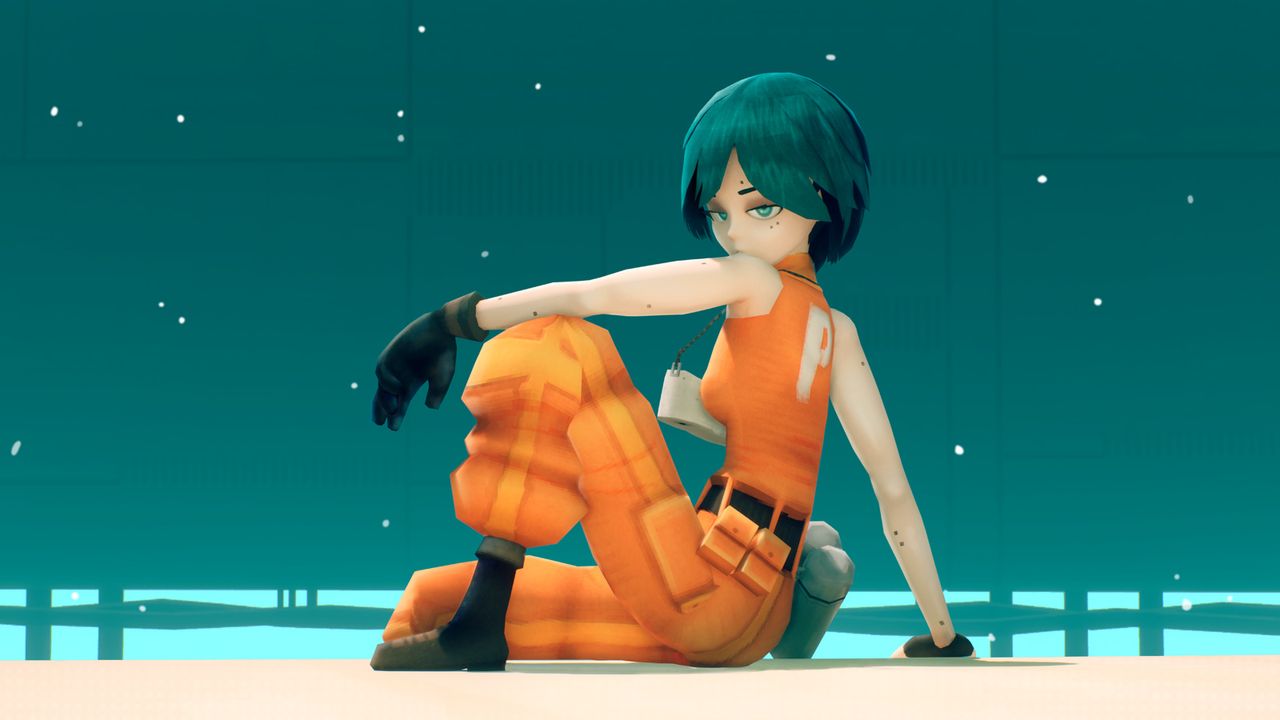
Rather than pursuing photorealism, the team opted for a stylized approach that emphasized clarity and memorability. This decision was driven by the game’s core mechanics, which revolve around parkour and exploration. By focusing on a graphic fidelity that matched the nostalgic vibes of older games, the developers were able to create a world that felt both familiar and fresh.
This stylistic choice also influenced the production workflow. By avoiding complex models and instead focusing on clean, minimal designs, the team was able to maintain efficiency while still delivering a visually compelling experience.
The Role of Brutalism in Game Design
Brutalism was not just an aesthetic choice; it also became a strategic one. The minimalist nature of this architectural style allowed the team to create large, immersive environments without requiring extensive resources. This was particularly important given the constraints of a small team working on a project over three years.
Machines, which play a central role in the game, were also chosen for their simplicity. Their straightforward design made them easier to model and integrate into the game world, aligning with the overall philosophy of efficiency and practicality.
Creating a Seamless World
One of the most impressive aspects of Motorslice is its interconnected world. The developers took great care to ensure that every element of the environment felt part of a single, cohesive space. This was achieved through meticulous handcrafting, with every window, dune, and structure built with attention to detail.
This level of craftsmanship not only enhanced the visual appeal of the game but also contributed to the sense of immersion. Players can feel the weight of the world around them, reinforcing the game’s grounded and tactile feel.
The Influence of Unreal Engine 5
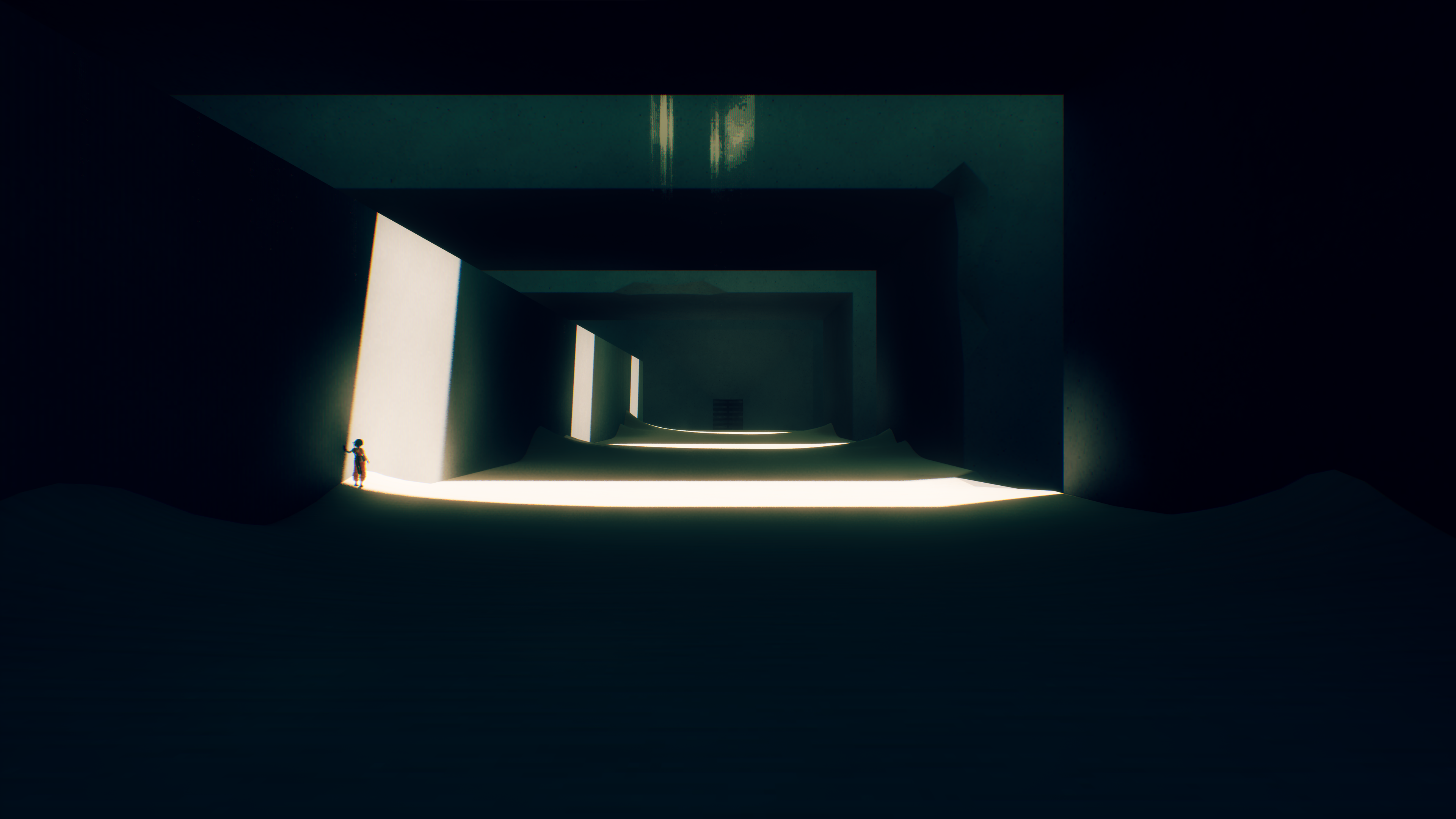
The use of Unreal Engine 5 played a crucial role in achieving the game’s visual fidelity. Features like Lumen allowed the developers to create soft shadows, subtle color palettes, and gradient darkness, all of which contributed to the game’s atmospheric quality. At the same time, the low-poly, low-fidelity style ensured that the game remained accessible and visually distinct.
Final Thoughts and Reflections
Looking back on the development of Motorslice, the team acknowledges that there were some challenges they would have approached differently. However, they believe that these minor adjustments did not detract from the overall experience. The game stands as a testament to what can be achieved with dedication, creativity, and a clear vision.
For those interested in learning more about Motorslice and its development, Regular Studio offers further insights into the game’s creation. The journey of Motorslice is a reminder of the potential of indie game development and the power of artistic vision.