A New Direction for Wolverine
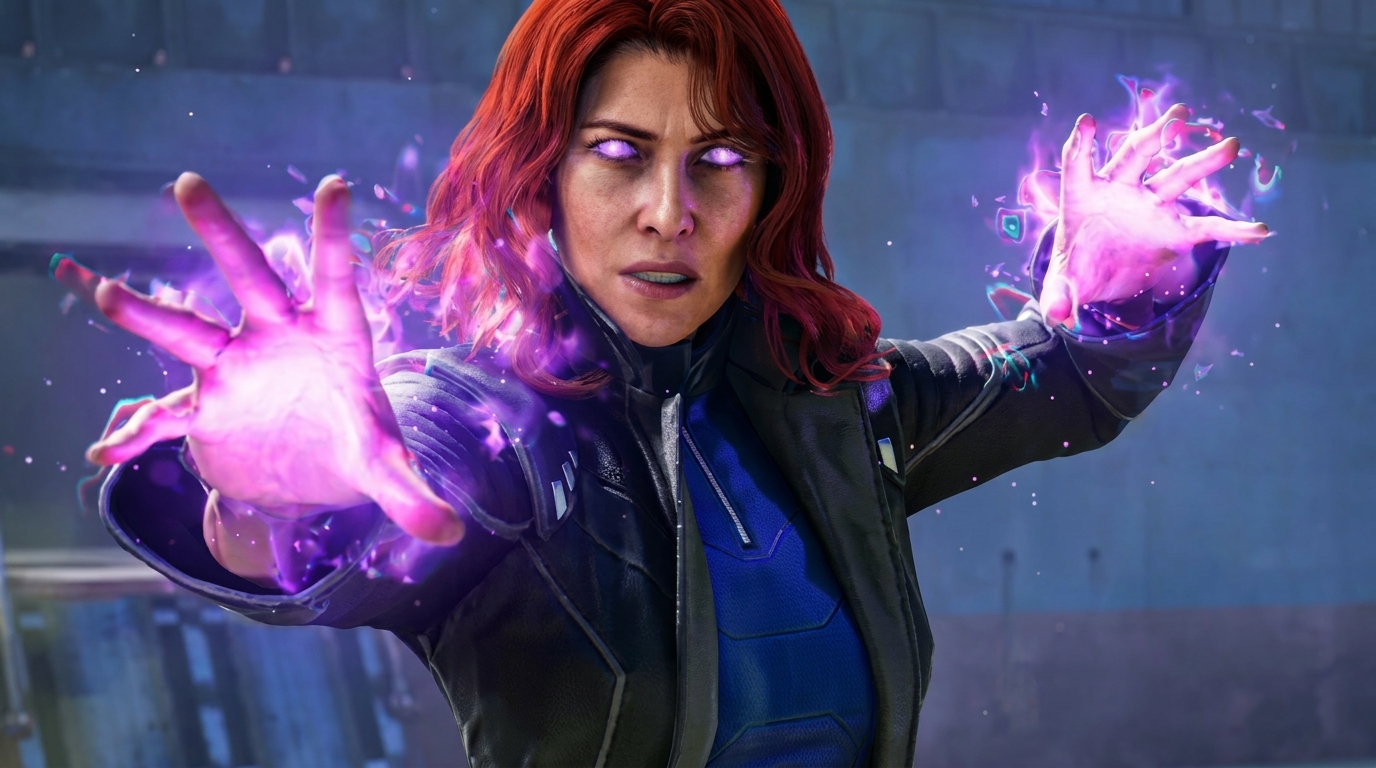
During Sony’s June 2026 PlayStation State of Play, a moment that sparked immediate curiosity among fans occurred when a familiar flame-haired figure appeared on screen. This brief glimpse of Jean Grey in the Marvel’s Wolverine gameplay reveal sent fan forums into a frenzy of speculation. Could she be playable? Was this the long-awaited return of the X-Men? Did Insomniac Games plan to expand its Marvel universe in a new direction? The answer, however, was a clear no. This decision reveals much about the kind of game Insomniac is aiming to create.
Focused on Wolverine Alone
Insomniac Games has confirmed directly with fans that players will only control Wolverine throughout the entire experience. There are no plans for a roster of characters to swap between, no co-op moments, and no short playable segments featuring Jean Grey or any other characters shown in the trailers. Additionally, the studio has explained in interviews that the X-Men as a team do not exist in this version of the story. Mutants are an endangered species operating in the shadows, and the larger world of Charles Xavier’s school and its graduates has yet to come together. This is a universe being built from the ground up, with Wolverine as the foundation, not the end goal.

A Different Creative Approach
This approach marks a significant shift for a studio known for expanding playable rosters in its Spider-Man games. From Peter Parker to Miles Morales, and even a dual-protagonist structure in the sequel, Insomniac has demonstrated its ability to pass the controller around. Miles Morales got his own solo title, while the stealth sequences of Mary Jane Watson were a bold experiment in perspective. Venom became a major character in Spider-Man 2, proving that superhero games can have ensemble energy without chaos. Fans naturally expected the same formula for Wolverine. Instead, Insomniac seems to be focusing on a tightly controlled character study, emphasizing depth over breadth.
A Character Study of Logan
The creative direction appears to be centered on making Logan a complete protagonist, not part of a larger cast. This makes sense considering Wolverine is one of Marvel’s most psychologically complex characters, with decades of trauma, fractured memory, and moral contradictions. By focusing on his inner struggles, the game could offer something truly special in the superhero genre—a deep dive into who Logan is, rather than just a hub for a bigger team.

World-Building and Narrative Potential
The world-building aspect is also intriguing. By acknowledging the existence of mutants but keeping them persecuted and largely unknown to the public, Insomniac has created a narrative runway for future exploration. If the game is successful—and early buzz suggests it has plenty of potential—future sequels could introduce the X-Men as a natural progression rather than a rushed addition. The creative director also mentioned that Logan was part of a secret unit called Team X, which included characters like Sabretooth. This indicates the game is more interested in the darker, morally ambiguous parts of Wolverine’s history, rather than the clean-cut heroism of the Xavier school era.
Balancing Expectations and Risks
Of course, this approach comes with risks. Fan enthusiasm for characters like Jean Grey, Cyclops, and Storm is immense, and confirming their absence—even for storytelling reasons—could dampen some excitement. Players expecting an X-Men experience may feel unfulfilled. However, managing expectations honestly through direct community engagement is the right instinct, and Insomniac seems to be doing that.
Navigating the Superhero Game Landscape
Marvel’s Wolverine is entering a challenging landscape for superhero games. While there have been successes, there have also been cautionary tales of ambitious projects falling short. Insomniac’s reputation has earned it goodwill, but the genre often rewards restraint and clarity of vision over sheer scope. A focused, story-driven Wolverine game with confident combat and a meaningful narrative could stand out by not trying to be everything at once.
Supporting Characters and Emotional Stakes
Even without a full roster of playable heroes, characters like Mystique, Omega Red, Leech, and Sabretooth already give the world a sense of being populated and threatening. These supporting characters can be crucial in games like these. The best Marvel stories understand that Wolverine is most interesting when he’s under real pressure, surrounded by characters who challenge him in different ways. If the story delivers on that, the absence of a switchable team may not even be felt as a loss.
Patience and Long-Term Vision
What Insomniac understands is that the X-Men, if done properly, deserve more than a brief appearance in another person’s origin tale. If this game sets the stage carefully—building the world, tone, threat, and emotional stakes—then the arrival of Xavier’s team in a follow-up becomes an event, not an afterthought. In building franchises, patience is a discipline that distinguishes enduring gaming legacies from one-and-done moments.
Final Thoughts
“Marvel’s Wolverine is a very specific creative commitment: one character, one story, told with total commitment.” Whether this promise pays off or sends players in the wrong direction remains to be seen. But the studio’s willingness to define what the game is—and isn’t—before it launches is the kind of clarity ambitious superhero games have sometimes lacked. The claws are naked, and at the moment they belong to Logan, all of them.