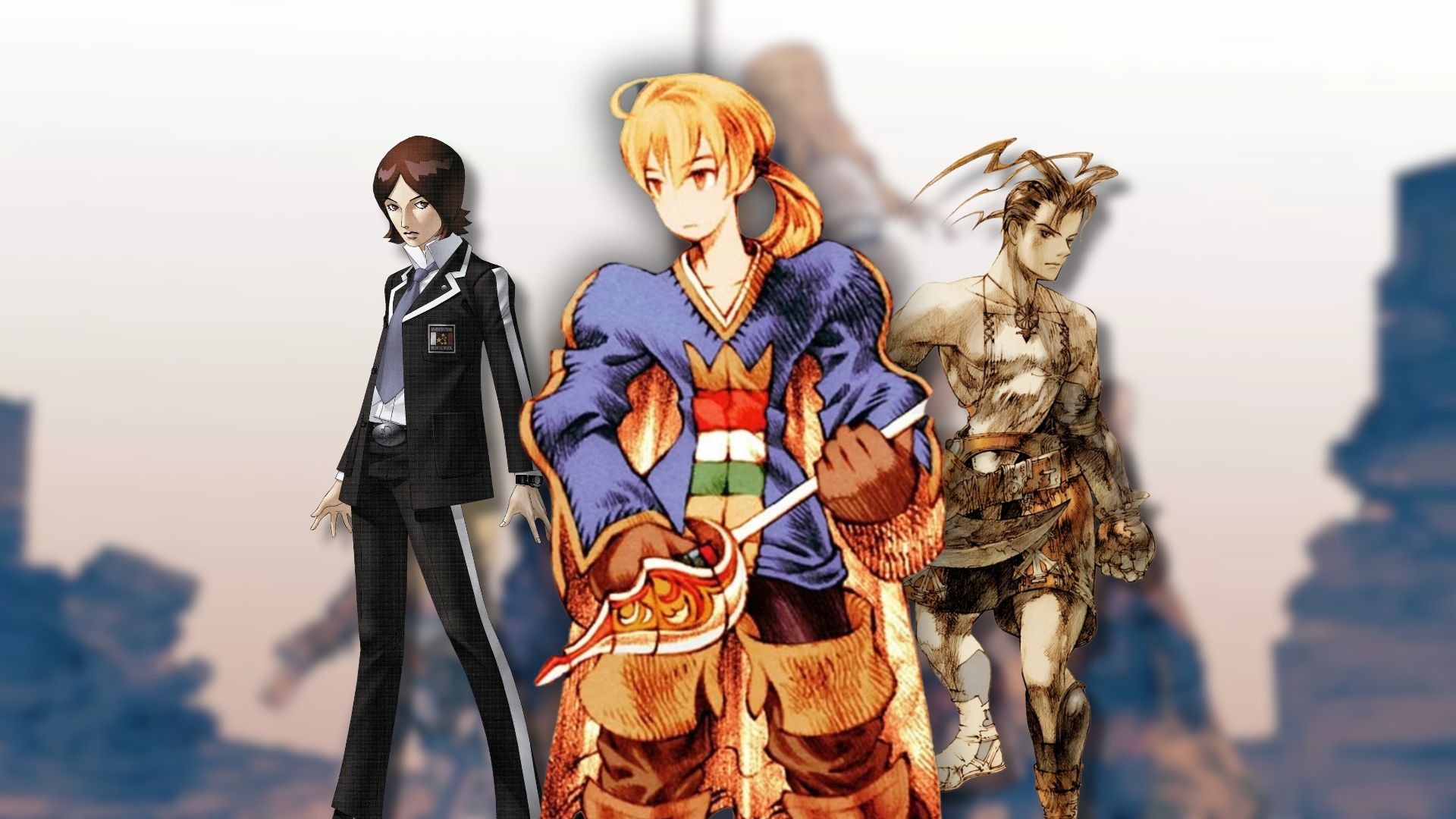
The Evolution of PS1 JRPGs and the Challenges They Presented
Back in the day, video games came with a game manual. These were thick, detailed guides that developers expected players to read before jumping into the game. However, most of us skipped them entirely, leading to confusion and frustration when we encountered complex mechanics or hidden systems. This was especially true for many PlayStation 1 (PS1) JRPGs, which often relied on intricate gameplay loops and unexplained mechanics. For those who played without any guidance, these titles could be incredibly challenging.
Star Ocean: The Second Story – A Game That Hits Hard
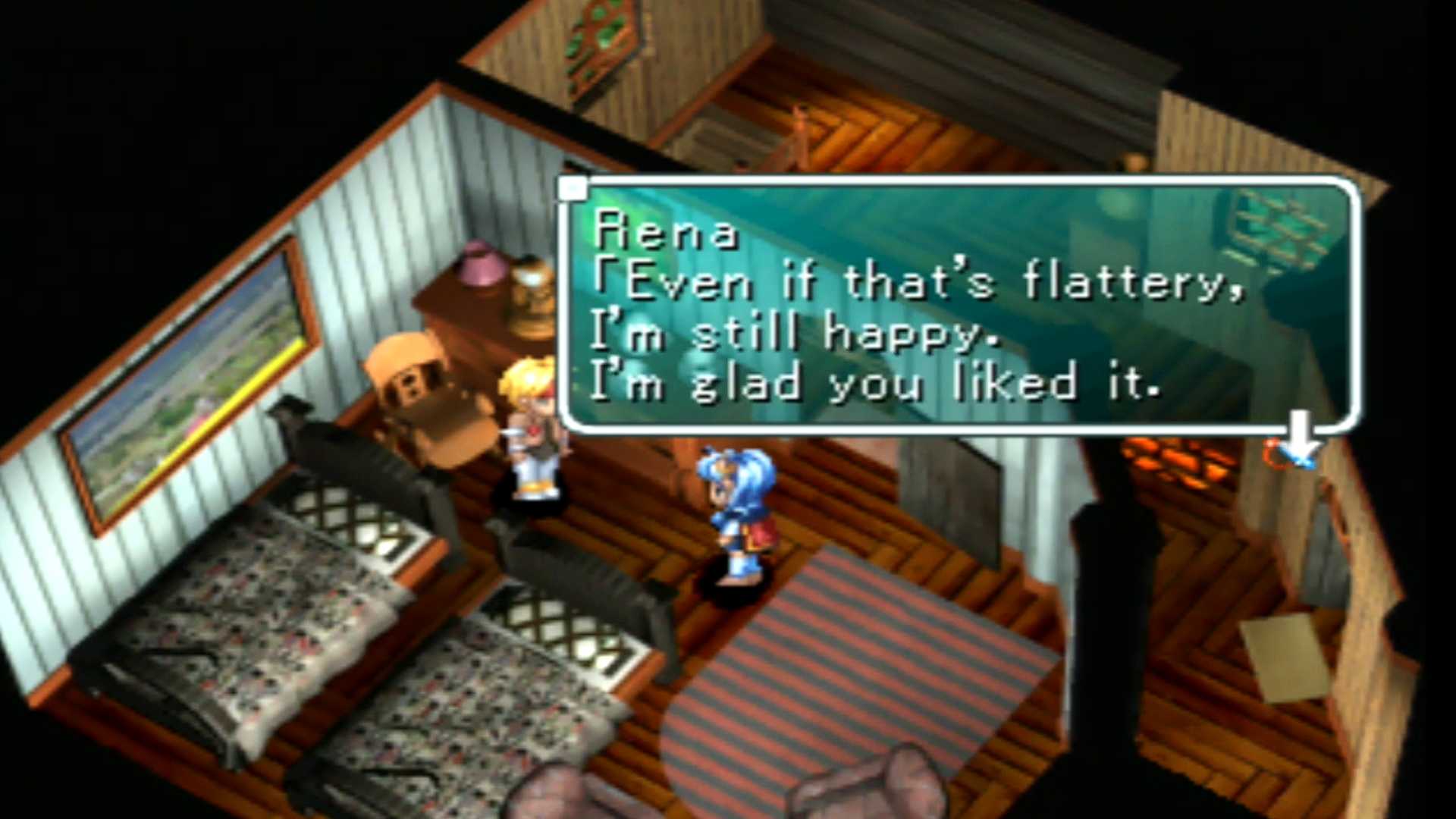
The first time I played Star Ocean: The Second Story, I chose Claude, while my brother went with Rena. It was quite a trip watching myself suffer through certain areas while he just absolutely steamrolled the opposition simply because he had Dias Flac in his party. At least, that’s what I told myself instead of admitting he was just a better player than me.
The biggest issue with Star Ocean: The Second Story isn’t that the game is flat-out difficult from the jump, because you will actually breeze through early battles. That is, until an insane difficulty spike hits you like a runaway bulldozer. Just when you finally find your footing and start dominating that new region and its monsters, another spike slams into you, and it’s back to constant death and struggle.
To be fair, if you are someone who completely masters the Item Creation system, Star Ocean: The Second Story becomes a walk in the park. In the remake, I confidently crafted the best weapons in the first few hours and trivialized the rest of the game, but that’s not exactly a manageable strategy on a blind first playthrough.
The Legend of Dragoon – You Need Rhythm and Timing
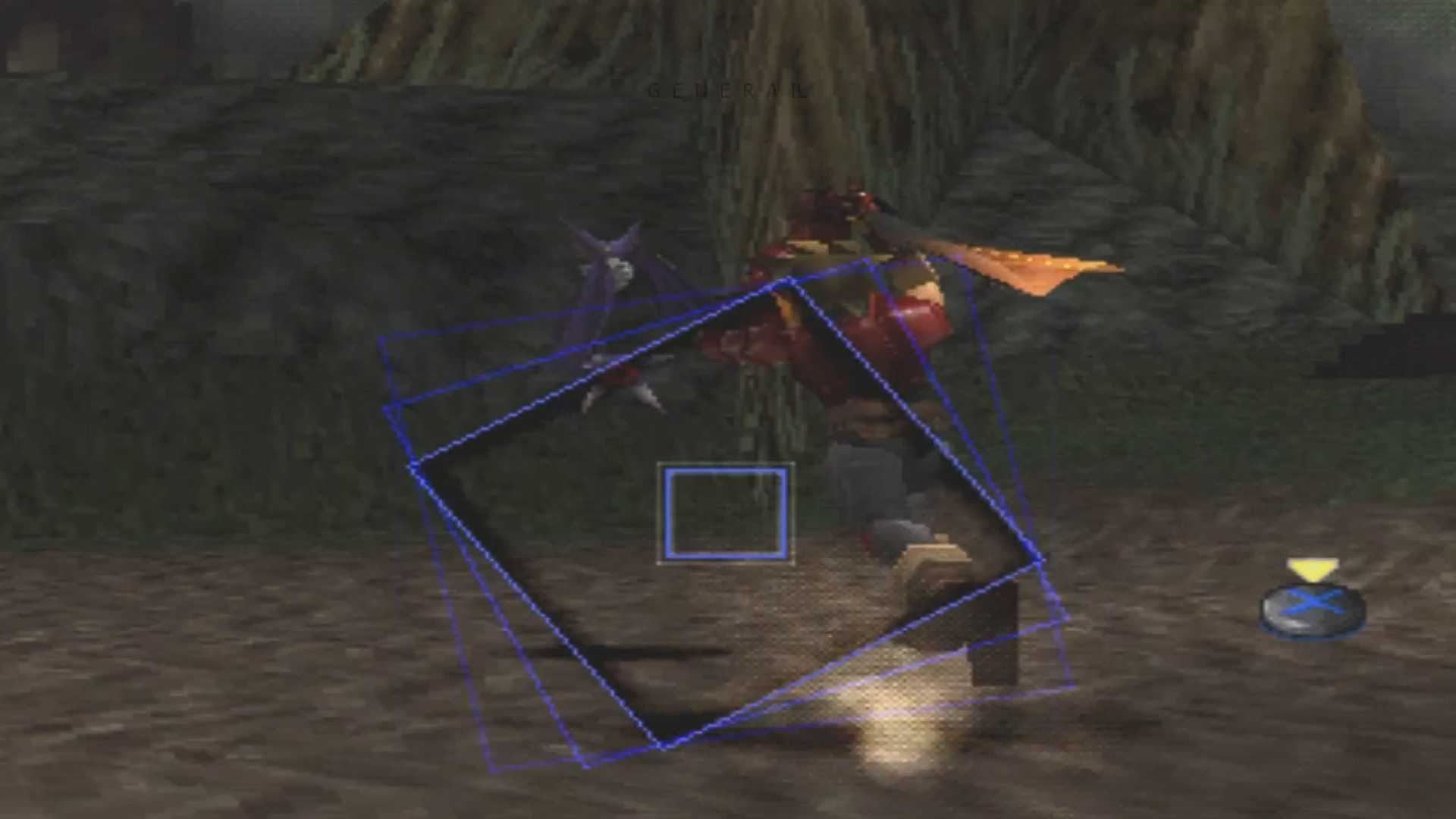
The Legend of Dragoon is not a brutally hard game per se, but it can easily feel like the toughest challenge for a very specific crowd. It is not a game you can just play mindlessly, especially since every single battle forces you to pay close attention to each strike to make the most of Additions. This timed-input combo system serves as the biggest roadblock for anyone lacking a sense of rhythm.
Unlike games like Super Mario RPG, where landing a timed input is a nice bonus but not strictly mandatory, hitting your marks in The Legend of Dragoon is absolutely essential. If you mess up your attacks, battles will drag on endlessly because your damage output will be pitiful. I’m sure there’s some maniac out there who has completed a challenge run without using Additions at all, but that is definitely not how the game was intended to be played. You must have rhythm and nail those combos, and for some, that’s just an impossible ask.
Legend of Mana – Easy to Learn, Hard to Master
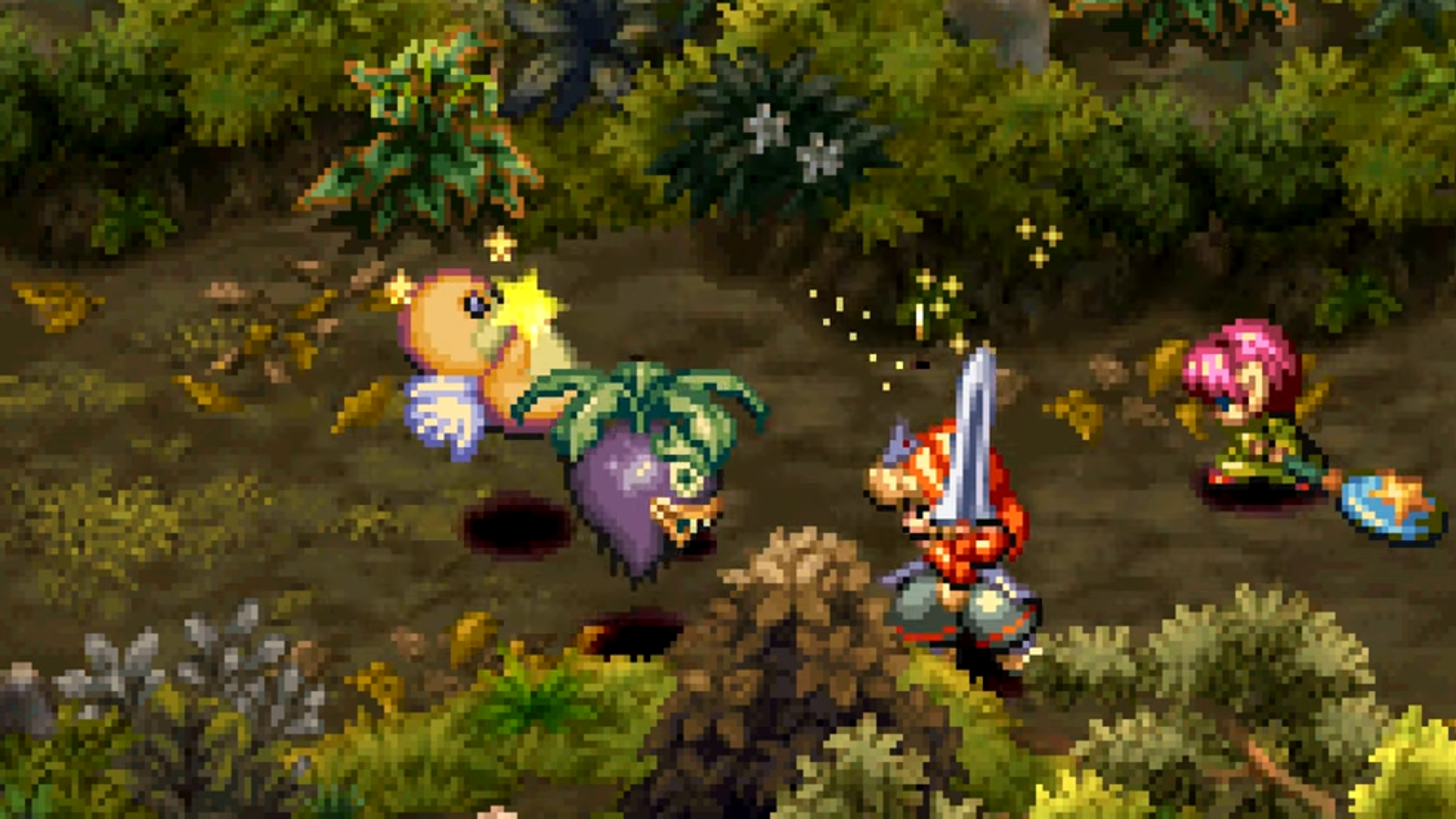
Legend of Mana falls into that unique category of games where the actual combat isn’t overly demanding, but the progression structure is incredibly obtuse. I’m not even talking about hitting 100% completion, because you absolutely need a guide to figure out the exact correct grid placement for each artifact. The real challenge here is simply figuring out what your next step should be.
At the start, things are fairly linear. You unlock Domina, chat with NPCs, pick up a quest here or there, and naturally open up more artifacts and locations. But eventually, you hit a wall where you have visited every single available location and have zero artifacts left in your inventory. What now? It’s time to randomly revisit old areas and backtrack endlessly in the desperate hope of triggering a hidden sidequest.
Sooner or later, you will unlock the Tree of Mana and roll credits, but getting there requires navigating a deeply confusing and entirely unexplained path. It is a phenomenal game, though, making it well worth getting lost in.
Vagrant Story – Play at Your Own Risk
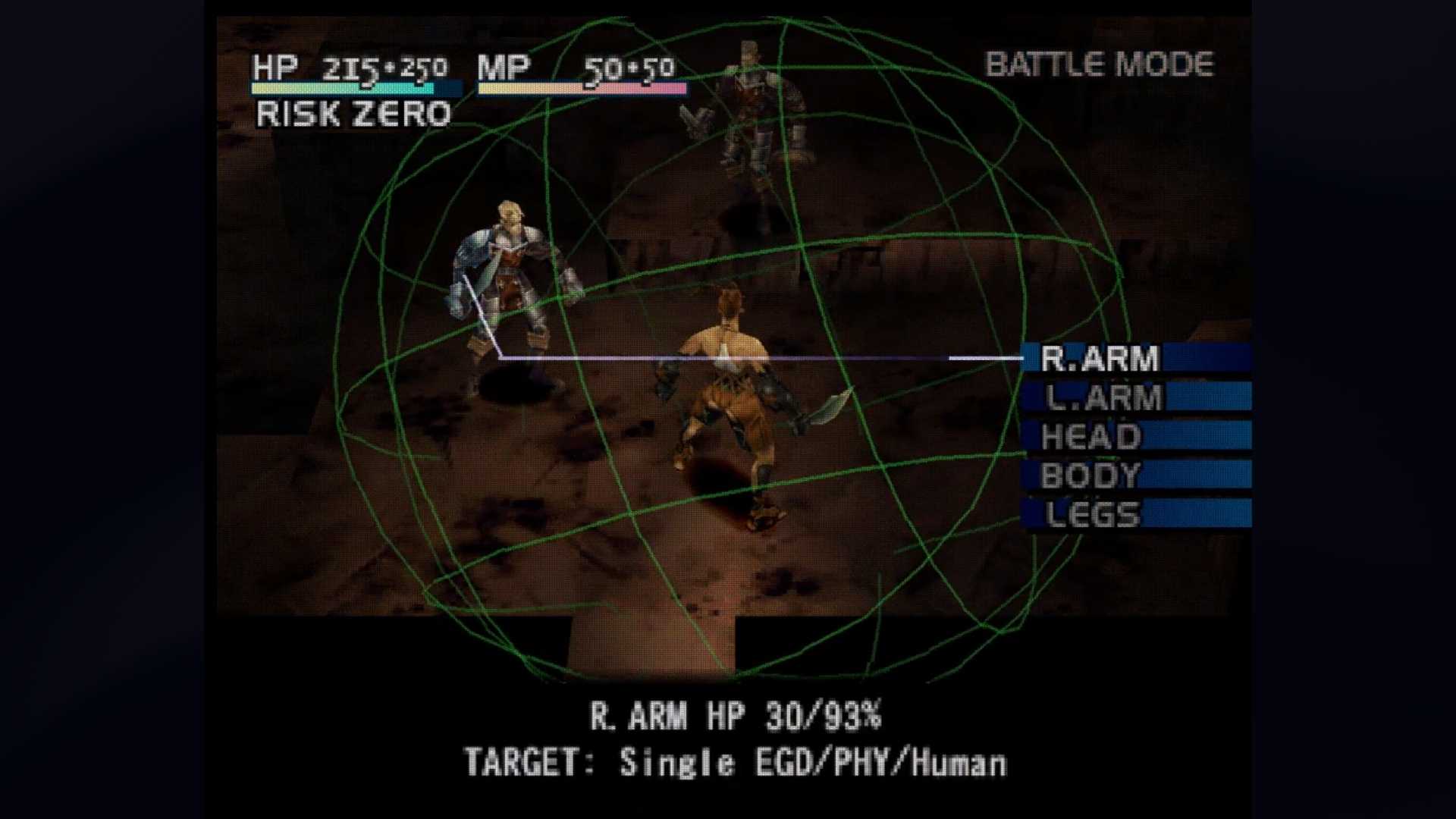
While Vagrant Story is often lauded as one of the most iconic JRPGs on the PS1, I also feel it remains a criminally underrated gem. Even die-hard JRPG aficionados frequently overlook it, so it’s usually a very niche crowd that hypes the title’s sheer brilliance. And yeah, I fully agree with the praise, because Vagrant Story brought a lot of fresh ideas to action-RPG gameplay alongside a deep crafting system.
Yet, it is precisely these innovations that make the game so unforgiving. In battle, you can chain together combos by nailing the precise timing of your button presses, rapidly boosting Ashley’s offensive power. The catch is that doing so comes at a massive risk, literally, because it raises your Risk gauge. As that gauge fills up, our protagonist takes significantly more damage and misses attacks more often. It’s a bizarre loop, but it works brilliantly in practice, even if it keeps the entire experience highly challenging.
Crafting also plays a massive role in Vagrant Story. I vividly remember reaching certain bosses and dealing practically zero damage, completely oblivious to the fact that I needed to wield a weapon specifically effective against that exact enemy type. To do that, I had to utilize the crafting system, something my younger self completely neglected, as any impatient kid would.
Hoshigami: Ruining Blue Earth – Grinding and Permadeath is a Match Made in Hell
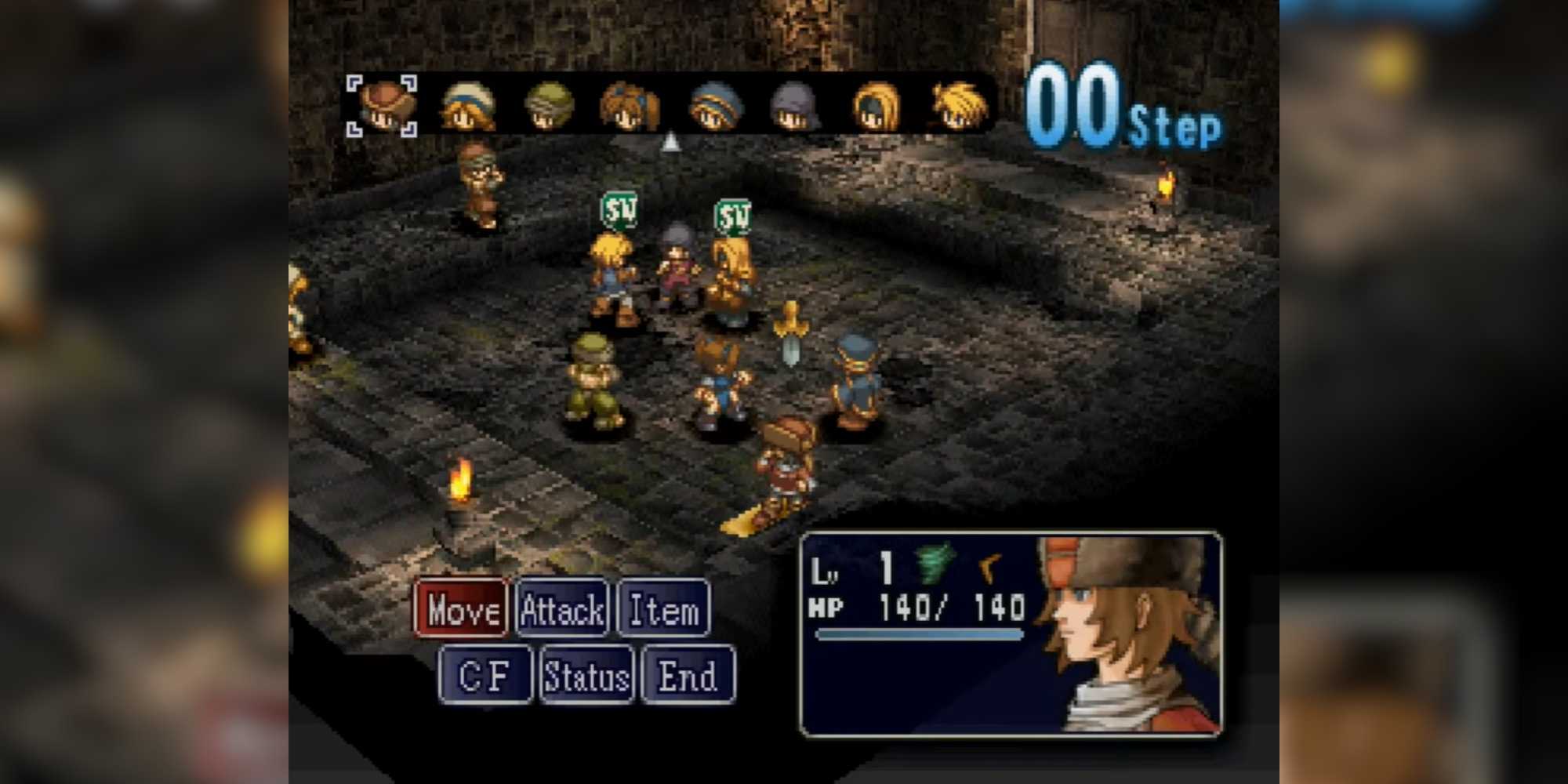
The PS1 was home to a massive wave of tactical JRPGs, though only the most famous staples are usually remembered today. There’s a good reason for that, and it mostly comes down to quality. Still, even among the forgotten or overlooked titles, Hoshigami: Ruining Blue Earth takes the cake for being one of the most punishing tactical games on the console.
How much complexity is too much? Hoshigami attempted to pack so many mechanics and modifiers into its grid-based combat that the entire endeavor became both a massive hassle and a grueling struggle. Not only do you have to constantly account for character elements, weapons, positioning, and the RAP gauge (which dictates actions per turn), but the game features permadeath. In a game where heavy grinding is the absolute lifeblood of progression, adding permadeath is just sadistic.
Digimon World – A World of Dangers and Poo
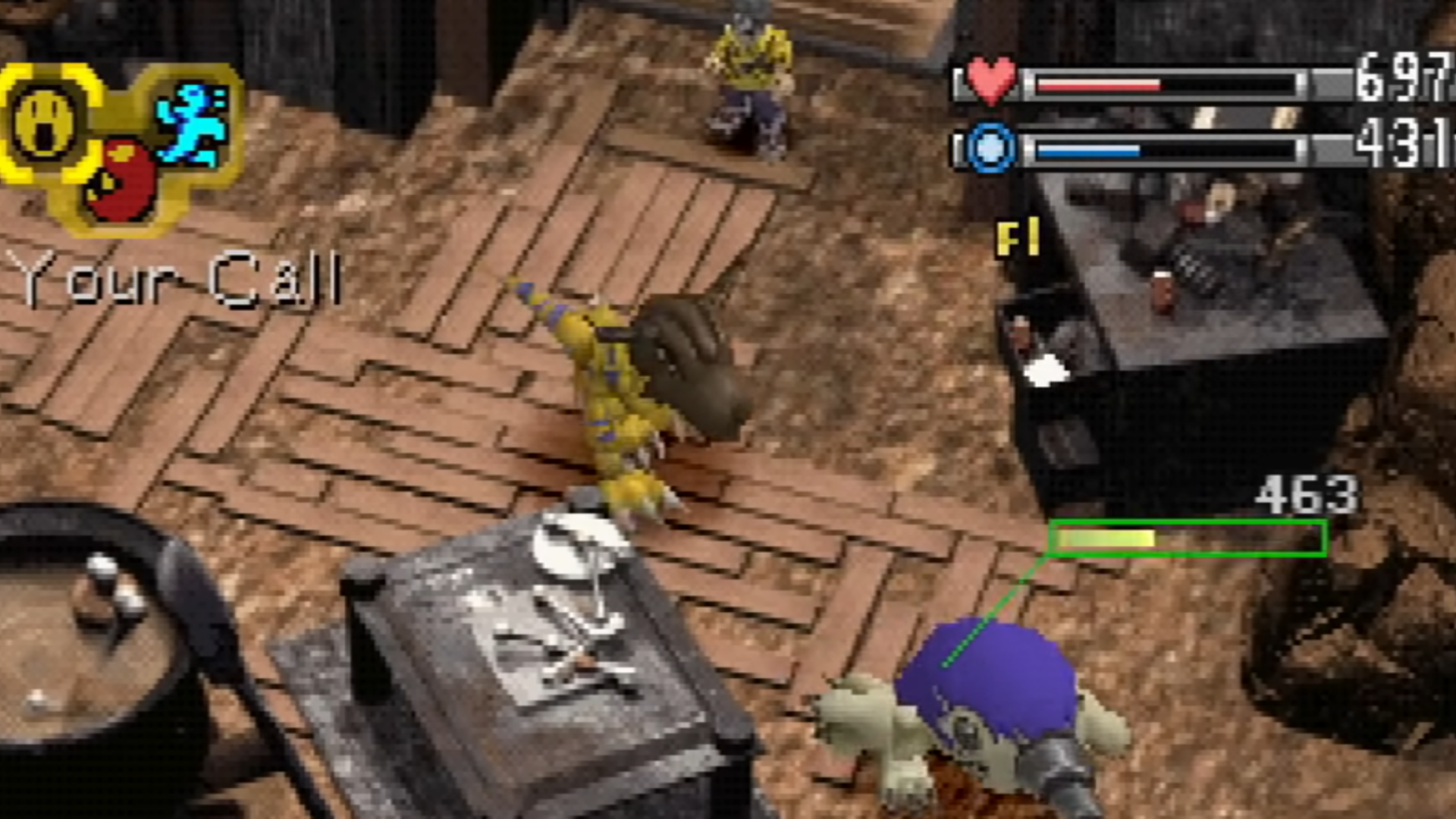
Let he who has never accidentally digivolved their Digimon into a Numemon throw the first stone. Look, I loved training my Digimon to keep its attributes perfectly balanced; after all, I wanted it to be an all-rounder. How was I supposed to know I would fail to hit a single specific stat requirement for a proper evolution, resulting in a giant sludge monster? This happened twice, three times… I just lost count.
Eventually, I learned that the trick was to focus heavily on just a few specific stats, but even then, it was no walk in the park because Digimon World is anything but easy. Countless dangers are lurking around as you explore the Digital World and recruit new Digimon back to File City. In battle, we don’t even directly control our partner. All we do is shout orders and pray it listens.
Then, just as I’d get comfortable thinking I was running the place, I would cross into a new zone where the difficulty spike surged exponentially. An Ultimate Digimon would completely wipe the floor with my little Champion, and it was right back to the Digi-Egg drawing board. It really is like raising a digital toddler—exhausting, but incredibly rewarding in the end. Well, mostly.
Monster Rancher 2 – Retirement is the Endgame
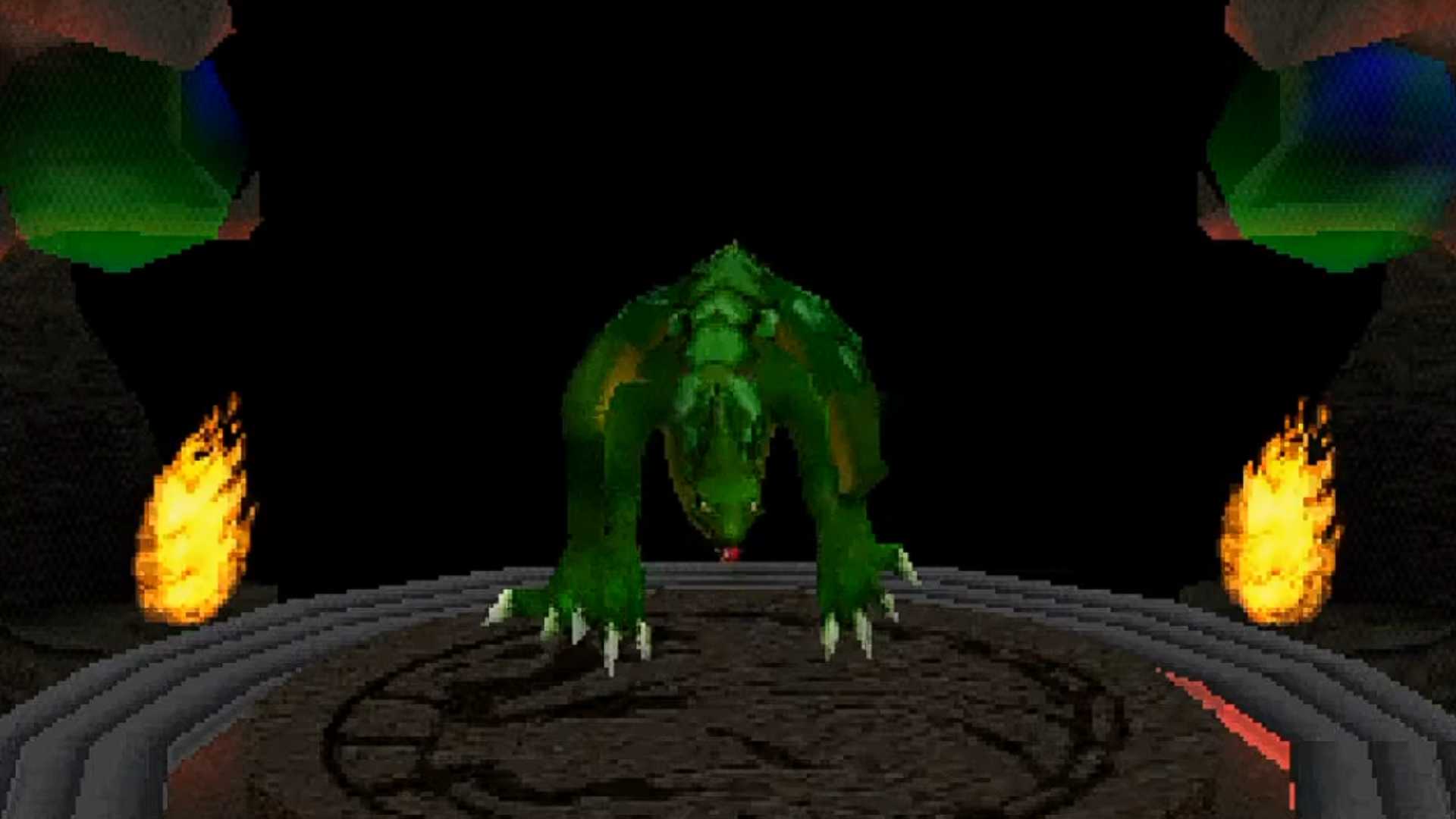
I remember playing Monster Rancher 2 non-stop. We had two TVs and two PS1s set up side-by-side—me, my brother, and my cousin—constantly raising monsters and conquering tournaments in pursuit of the coveted Greatest 4. I can’t even tell you how many monsters we burned through along the way or how many CDs we tested just to pull in new beasts, but we simply could not breed a monster strong enough to win.
Years later, with the rise of widespread internet walkthroughs and GameFAQs, we discovered that instead of running our high-rank monsters into the ground until they died, we were supposed to retire, freeze, and eventually fuse them with another high-rank beast. Doing this created a new monster whose base stats vastly exceeded a standard baseline. Rinse and repeat until you forge the perfect monster.
My younger self would never have figured that out on his own, so it felt like we were playing on an unannounced extra-hard mode. No amount of save-scumming could get our Golem through those final tournaments, no matter how determined and resilient we were. They do say knowledge is power.
Persona 2 – It’s Still Persona, But Not the Persona You Want
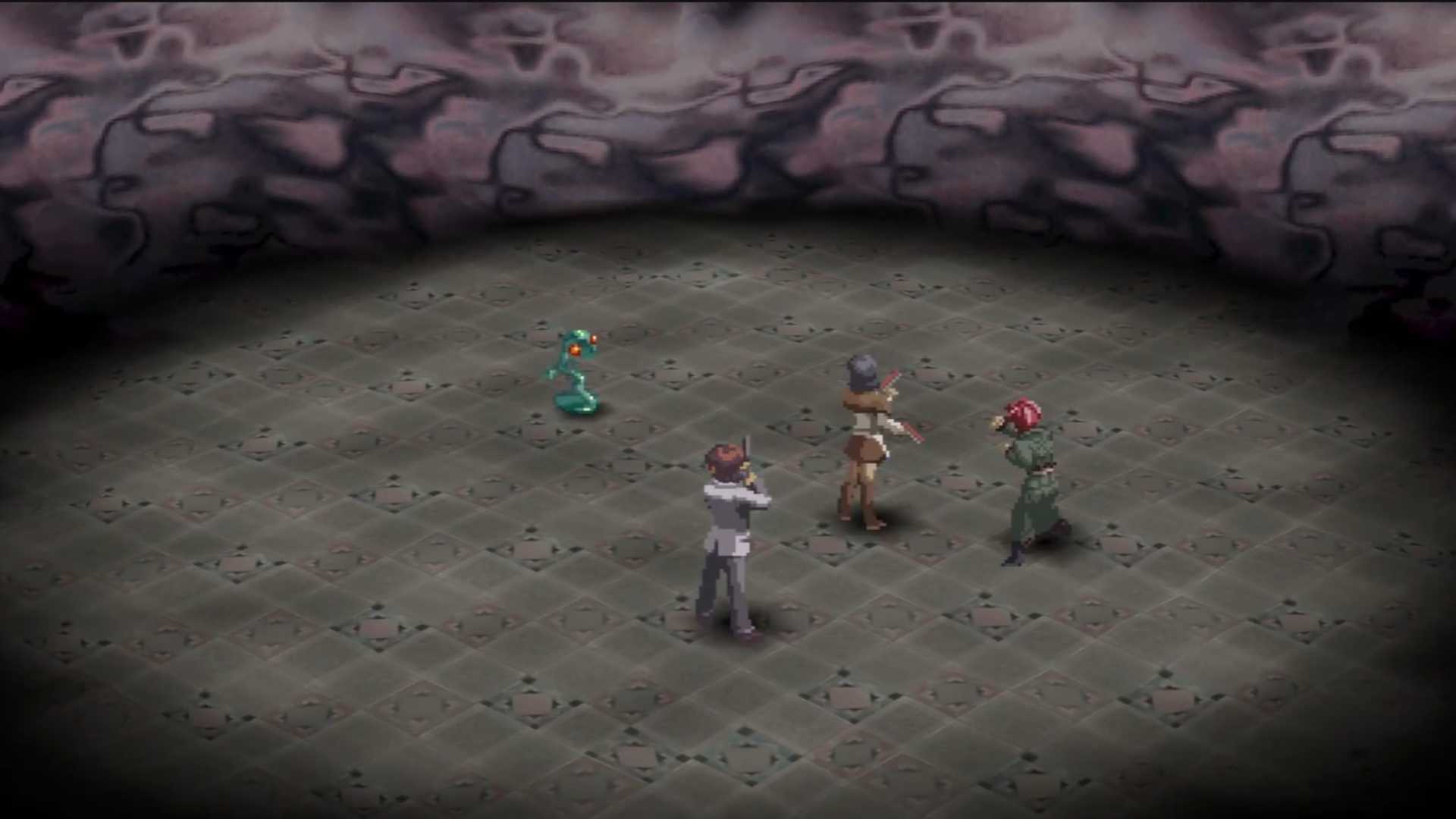
I read an interesting bit recently. It was revealed that the Persona series has recently surpassed 30 million units sold worldwide, which is more than well deserved! However, before the launch of Persona 5, it had sold “only” 6 million. It just goes to show how a single entry can completely revitalize an entire franchise. And it’s no wonder, considering Persona 5 is one of the highest-rated JRPGs of all time.
This also serves as a reminder of how Persona truly found its footing. It was Persona 3 that introduced the iconic Social Link mechanics, whereas Persona 1 and the Persona 2 duology were merely Shin Megami Tensei spinoffs with fewer demons and a heavier focus on high school themes. And considering SMT has always been known for being brutally difficult, it’s no surprise Persona 2 tried to follow suit.
To be perfectly honest, the biggest hurdle in finishing Persona 2 isn’t the gameplay challenge itself, as the duology is actually quite straightforward. The real difficulty lies in how tedious the loop can feel, especially if you started with the modern entries and went back to see where it all began. The story is excellent, but it might not be worth the absolute slog you have to endure through the archaic gameplay systems.
Final Fantasy Tactics – Damn You, Wiegraf
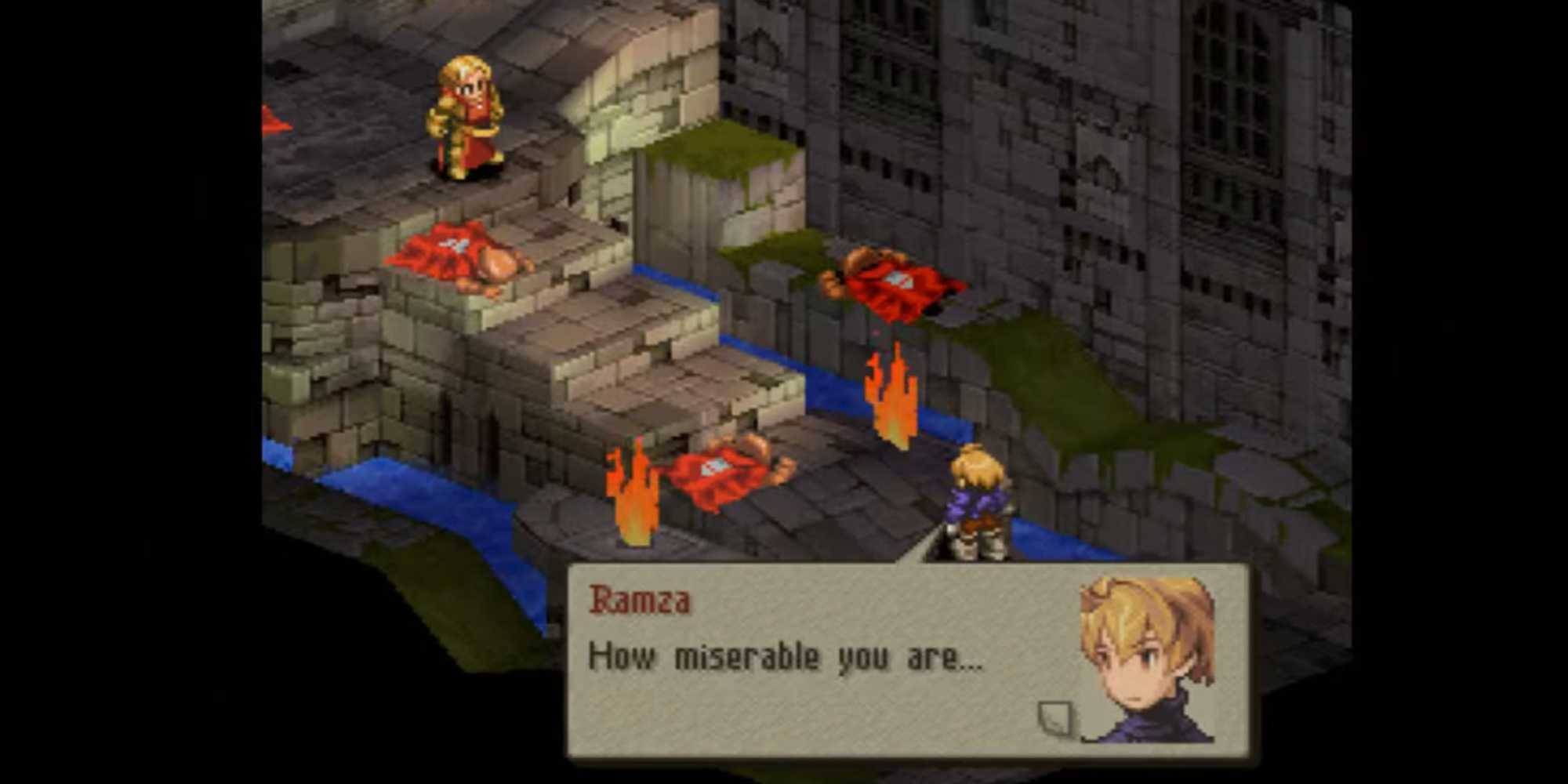
Let those who have never been completely soft-locked in Final Fantasy Tactics throw the first stone, like the good Squire you are. Getting trapped in the gauntlet challenge at Riovanes Castle with only a single save file, only to realize I had absolutely no escape while trying to defeat Wiegraf, was easily one of the most frustrating moments of my gaming life. Don’t worry if you don’t know what I’m talking about because it’s just one of the many ways Final Fantasy Tactics deemed it prudent to punish the unprepared.
I know plenty of Final Fantasy fans who simply could not get into Final Fantasy Tactics because the game features an insanely steep difficulty curve, especially in the opening hours. There is zero hand-holding here. You are thrown directly into tactical grid combat and left to figure things out on your own. It does get easier as you unlock better Jobs, at least until you hit Riovanes Castle, or maybe Celia and Lettie.
The Final Fantasy Tactics: The Ivalice Chronicles version drastically alleviated this frustration, adding a casual mode and the ability to back out of multi-stage gauntlets, among other quality-of-life features for players who just want to experience one of the finest stories a tactical JRPG has to offer.
SaGa Frontier – The Most Unorthodox JRPG Franchise
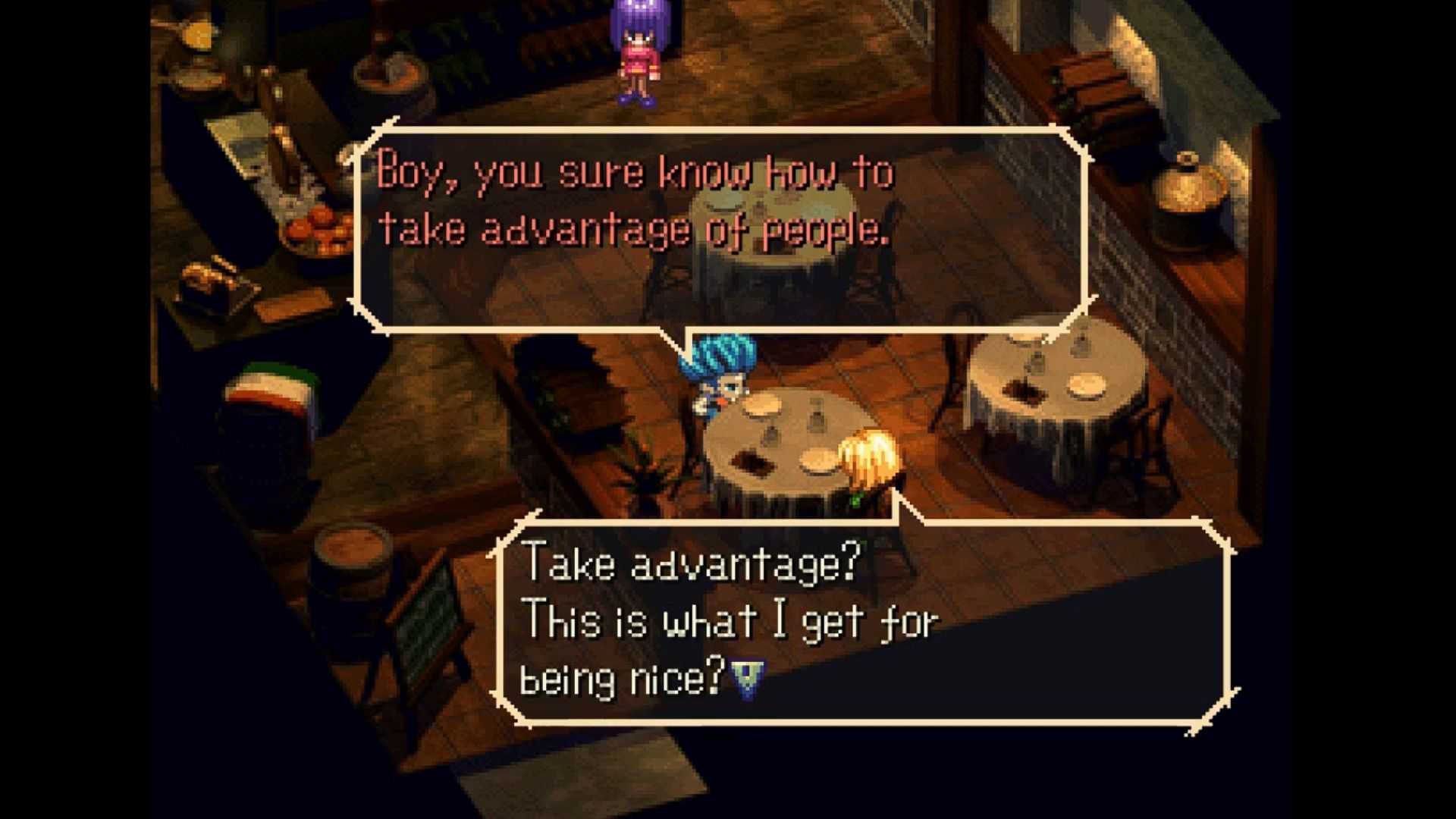
Frankly, I appreciate SaGa Frontier. I don’t know if I’d go so far as to say I love it, but I definitely appreciate everything Akitoshi Kawazu tried to achieve with the series, from its completely freeform, open exploration to a progression system in which attributes increase naturally rather than through traditional leveling, and especially Glimmers, that incredible mechanic where your characters randomly learn brand-new skills right in the middle of a battle.
Even so, I rarely recommend the franchise to casual JRPG fans because it is just so incredibly unorthodox. The PS1 version of SaGa Frontier was the first one I played alongside my brother. While he started his adventure with Red, enjoying a much more linear narrative with a smooth, friendly difficulty curve, I picked Lute. Lute’s scenario is literally just a wide-open world where you can wander anywhere and trigger the final boss battle like 30 minutes into the game.
Naturally, I suffered infinitely more than he did and had absolutely no idea why. I didn’t know if I was triggering quests, why the monsters were scaling up so fast, or why I was getting one-shot in a couple of turns. There was way too much happening at once, and almost none of it was explained to me.
SaGa Frontier 2 offered a similar vibe, though its narrative was a bit more structured. It wasn’t until I played Romancing SaGa: Minstrel Song that I finally found my rhythm and, as I said, truly grew to appreciate the franchise.