Atari made a significant impact at the Summer Game Fest (SGF) 2026 Play Days by showcasing its impressive lineup of retro titles and outlining its future publishing strategy. David Lowey, Senior Director of Communications at Atari, highlighted that the company has been actively involved in publishing a wide array of games. He emphasized that Atari is focusing on its core strengths in ‘retro games’ and is acquiring talented studios to strengthen its position in the market.
As part of this strategic move, Atari first acquired ‘Digital Eclipse,’ a studio known for creating classic game collections, and ‘Nightdive,’ which specializes in remastering classic first-person shooters and horror games. Recently, they also brought in ‘Implicit Conversions,’ a studio focused on emulation, to overcome technical challenges. By solving complex emulation issues for PlayStation 1, 2, and 3 era games, they have laid a solid foundation to include iconic titles from that era in Atari’s future collections.
Atari’s expansion is not limited to the retro console market. The company has increased its mobile presence by acquiring ‘Hipster Whale,’ the Australian studio behind the popular mobile game ‘Crossy Road’ and a developer with deep roots in retro aesthetics. Additionally, Atari has established a multifaceted business structure by partnering with Swedish publisher ‘Thunderful’ and reviving the ‘Infogrames’ label to publish titles that differ in style from the retro-focused Atari brand, such as ‘Replaced.’
Atari’s current retro game development strategy is based on four key pillars: ‘Remasters’ that enhance original works, ‘Remakes’ that rebuild games from scratch using new engines, ‘Collections’ that curate historical context through documentaries and archives, and creating entirely new games using classic IP. At this year’s Play Days, four major new titles were introduced, showcasing Atari’s curation philosophy and development expertise.
Toy Story 3 Remaster & Retro Roundup
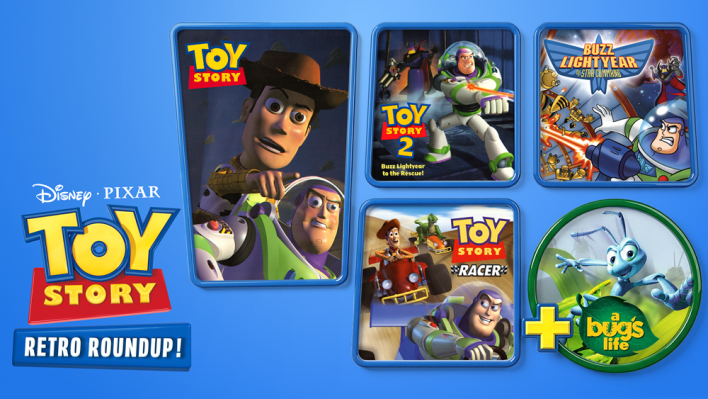
Releasing on October 15, the ‘Toy Story 3 Remaster’ and ‘Retro Roundup’ collection are designed to bring past masterpieces back to life with modern convenience. This project aims to evoke nostalgia among older gamers who enjoyed the originals in the early 2000s while making the games accessible to younger generations entering the franchise with new films.
The ‘Retro Roundup’ collection includes every Toy Story game ever released, featuring Pixar’s ‘A Bug’s Life’ as bonus content. This highlights the historical context of the team that went on to create ‘Toy Story 2,’ applying the development knowledge gained from the previous project to the sequel.
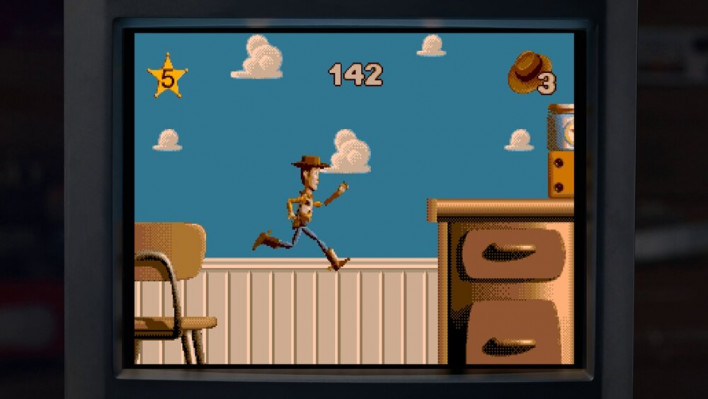
To address the notoriously high difficulty of past games, the titles feature quality-of-life improvements and graphic upscaling, including ‘rewind’ and ‘save anywhere’ features, integrated cheat codes, and an innovative ‘Practice mode’ that allows players to watch others play and take control at any moment.
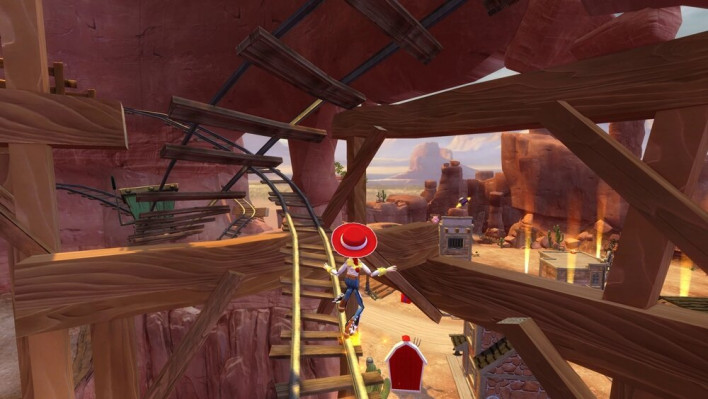
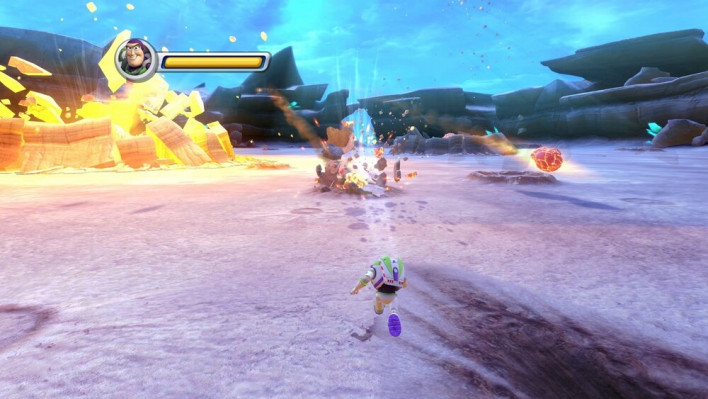
Expectations are high for the ‘Toy Story 3’ remaster, considered one of the best movie-based video games of all time. Players can enjoy the adventure mode that follows the film’s narrative, as well as the ‘Toy Box’ mode—an open world sandbox that allows players to complete quests and decorate a Western-style town, which later became the foundation for the global hit ‘Disney Infinity.’ This remaster integrates content that was previously fragmented across platforms, including rare, long-inaccessible exclusive content from the PlayStation 3 (PS3) version.
Korean gamers will also benefit from this release, as all in-game text, subtitles, newly added museum elements, and the overall user interface (UI) will be supported in Korean.
Barbie Rewind
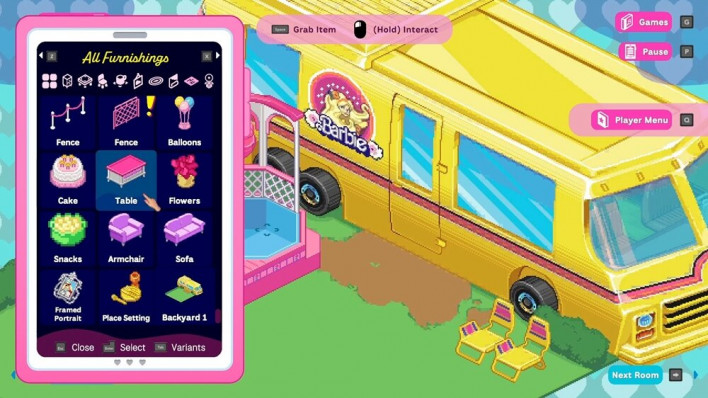
Releasing on November 12, ‘Barbie Rewind’ uniquely combines a newly created home-decorating game with 16 classic Barbie games. The main ‘Barbie Dreamhouse’ content takes the form of a ‘cozy’ game, a genre currently gaining popularity in the market. Players are tasked by Barbie to design her home, with furniture and vehicles based on actual toy sets released by Mattel over the past 50 years.
While decorating the house, players are naturally introduced to classic Barbie games. The game encourages players to play classics like ‘Barbie Super Sports’ to unlock additional interior items or achieve specific milestones during the design process. The 16 included classic games consist of titles released in the 90s and 2000s for the NES, Game Boy, PlayStation, and PC, including one previously unreleased title.
The physical Deluxe Edition, released alongside the digital version, includes a special limited-edition Barbie doll wearing an Atari logo T-shirt. Produced in a limited run of 20k units worldwide, the doll was brought to market in time for the Christmas season thanks to Mattel’s active cooperation in streamlining the production process, enhancing its value for collectors.
Although GTA6 is scheduled for release around the same time, Atari believes that “the target audience is different and there is a clear demand from users for ‘cozy games.'” They even noted that the extreme genre difference between the two titles has led to positive brand awareness, with users creating memes and composite images online.
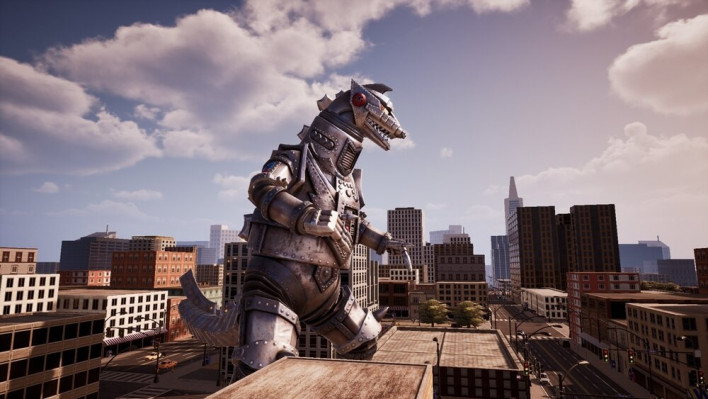
Godzilla: Destroy All Monsters Melee Remastered
Godzilla: Destroy All Monsters Melee Remastered was proposed by Atari, the original publisher, to IP holder Toho, and the project came to fruition in line with Toho’s film release schedule for this year and next. Development was handled by ‘Pipeworks,’ the original developer that introduced the game 22 years ago.
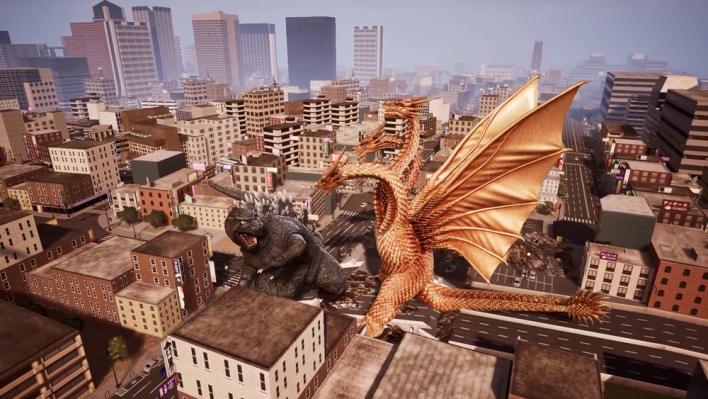
While 99% of the original gameplay is preserved, the game was rebuilt from the ground up using Unreal Engine 5. This has elevated details such as lighting and weather effects, as well as intricate building destruction effects that could not be implemented due to the technical limitations of the past, to a modern standard. The overall size of the arenas and cities has also been slightly expanded, providing more room for 3-4 player battles and serving as a foundation for more realistic and detailed environmental destruction.
The monster (kaiju) lineup, which varied by platform in the original, has been fully integrated into this remastered version. Additionally, meticulous detail corrections were made for long-time fans, such as replacing the ‘MechaGodzilla’ model—which was incorrectly applied in the original release—with the correct version based on historical accuracy.
In addition to the campaign mode, the game supports ‘Destroy Mode,’ where players earn points by destroying cities to level up monsters and enhance stats and skills, as well as a ‘Tournament Mode’ for up to 4 players. Notably, this remaster adds online multiplayer, allowing players to enjoy 2-player online matches with random users in the lobby or with friends. Following the recent final approval from Toho for distribution in Korea and Japan, the possibility of Korean localization, which was not in the original plan, is being reviewed. Godzilla: Destroy All Monsters Melee Remastered will be released on November 3 for platforms including Nintendo Switch and PS5 in both digital and physical formats.

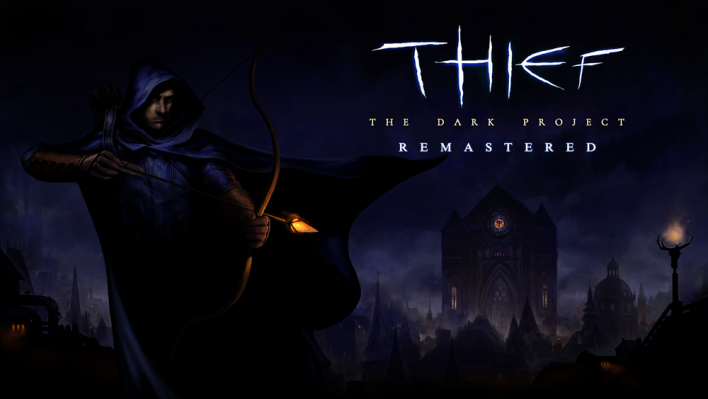
Thief: The Dark Project Remastered
Unveiled during the ‘PC Gaming Show,’ the ‘Thief’ remaster garnered intense interest from users that caused the Atari Discord server to temporarily crash immediately after the announcement. This title, which has been difficult to play for a long time due to the cessation of official distribution, serves as a key example of Atari’s direction in restoring its classic lineup.
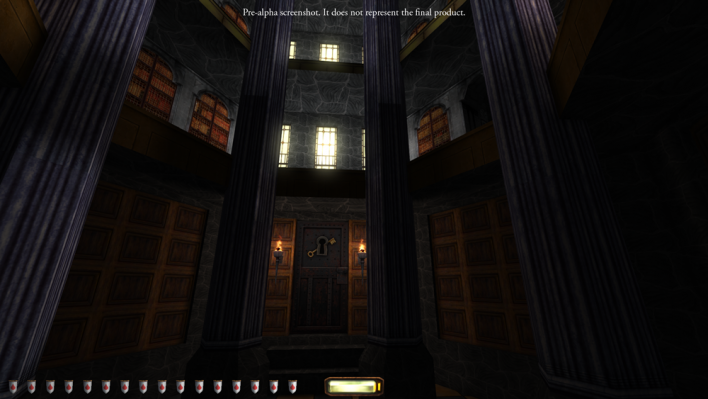
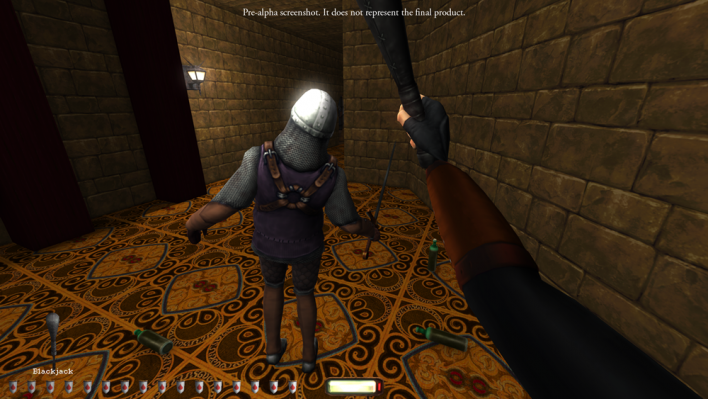
It maintains the characteristics of the original, which dubbed itself a ‘First-person creeper (FPC)’ and established the framework for modern stealth action games. Direct combat with enemies is extremely high-risk, requiring players to rely strictly on sound to avoid confrontation. To this end, players must actively utilize environmental gimmicks, such as shooting moss arrows to silence footsteps or water arrows to extinguish torches.
The unique AI system is also preserved. Enemies do not simply patrol fixed routes; they exhibit behavioral patterns such as searching randomly or talking to each other when they detect suspicious sounds. Development was handled by the team responsible for the ‘System Shock 2’ remaster, and the graphics from the 25-year-old original have been completely overhauled to match modern resolutions and detail.
Future Market Strategy
Regarding future market strategy, Director David Lowey stated, “Atari’s core target audience is gamers aged 35-55 who grew up with retro games, but the fandom is recently expanding to include the younger generation aged 18-35 who are captivated by the unique style of classic genres.” He expressed a strong commitment to continue carefully excavating and curating past masterpieces to present them to current-generation users.