This year’s autumn release schedules are the busiest the video games industry has ever seen, and it is not going to end well for many publishers. The upcoming season is packed with major titles, leading to a highly competitive landscape that could result in significant challenges for developers and publishers alike.
The past few weeks have been filled with excitement as multiple major preview showcases and new announcements have taken place. These events have brought both welcome surprises and some disappointments, along with the usual confusion over the peculiar decisions made by game publishers. Nintendo’s strange priorities and Microsoft’s increasingly unconvincing explanations of its exclusivity policies have been among the biggest topics of discussion. However, another major issue has only become clear in hindsight when the new release schedules were finalized, revealing just how intense this autumn will be.
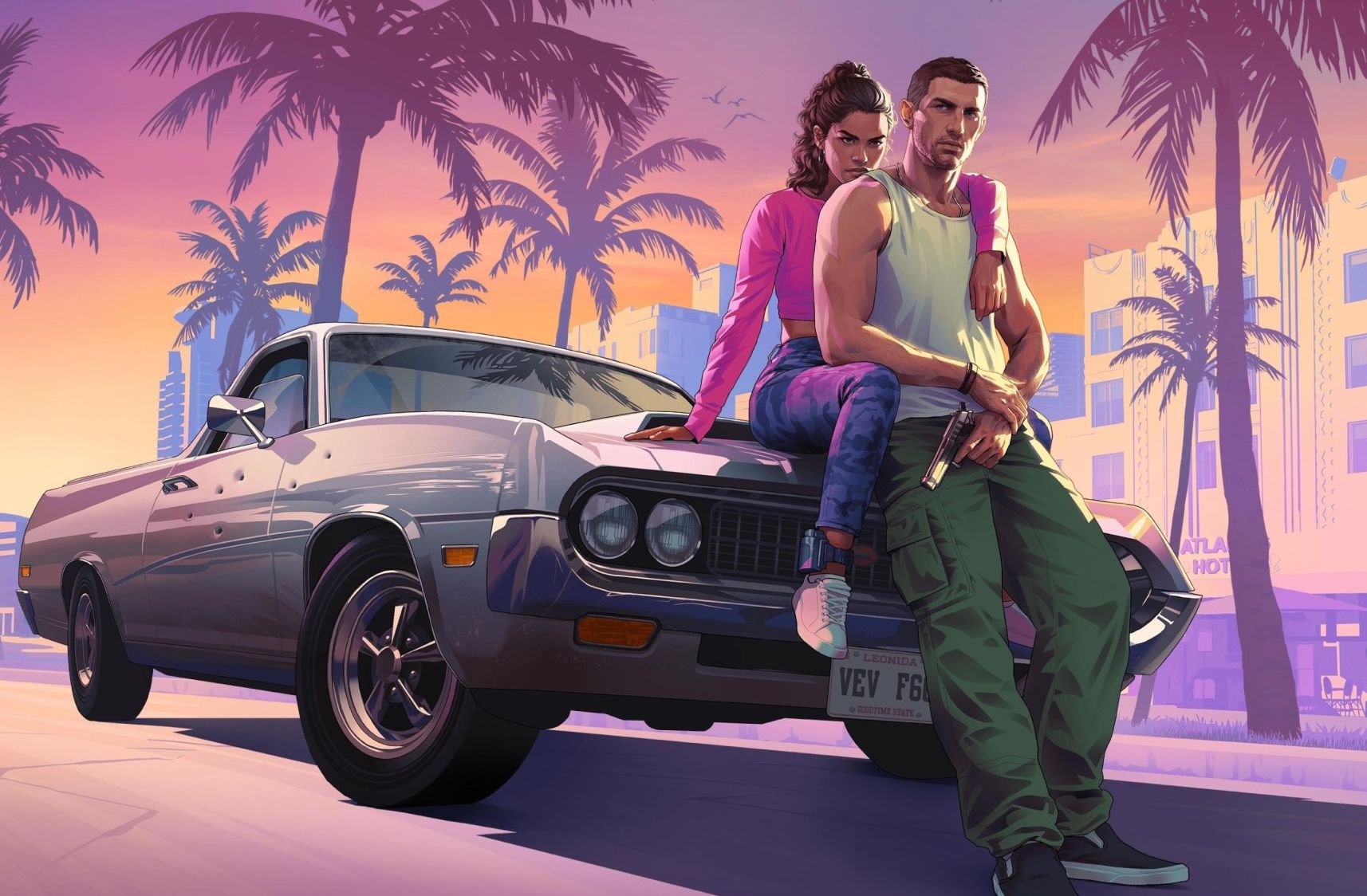
There was always going to be a problem, as no competing game is going to launch within a month either side of GTA 6, which is set for November 19. This means that eight weeks of the most popular gift-buying season of the year have essentially been blocked off, with only a few indie games and Barbie Rewind daring to enter this crowded space.
The list below shows every major game being released this autumn and December, and it’s evident that the end of September is especially chaotic. Only yesterday, Valor Mortis (the Napoleonic zombie game that was unveiled at the Xbox Games Showcase) decided to change its release date or otherwise it would have been one of three major titles launching on September 24. Another title was scheduled for September 25.
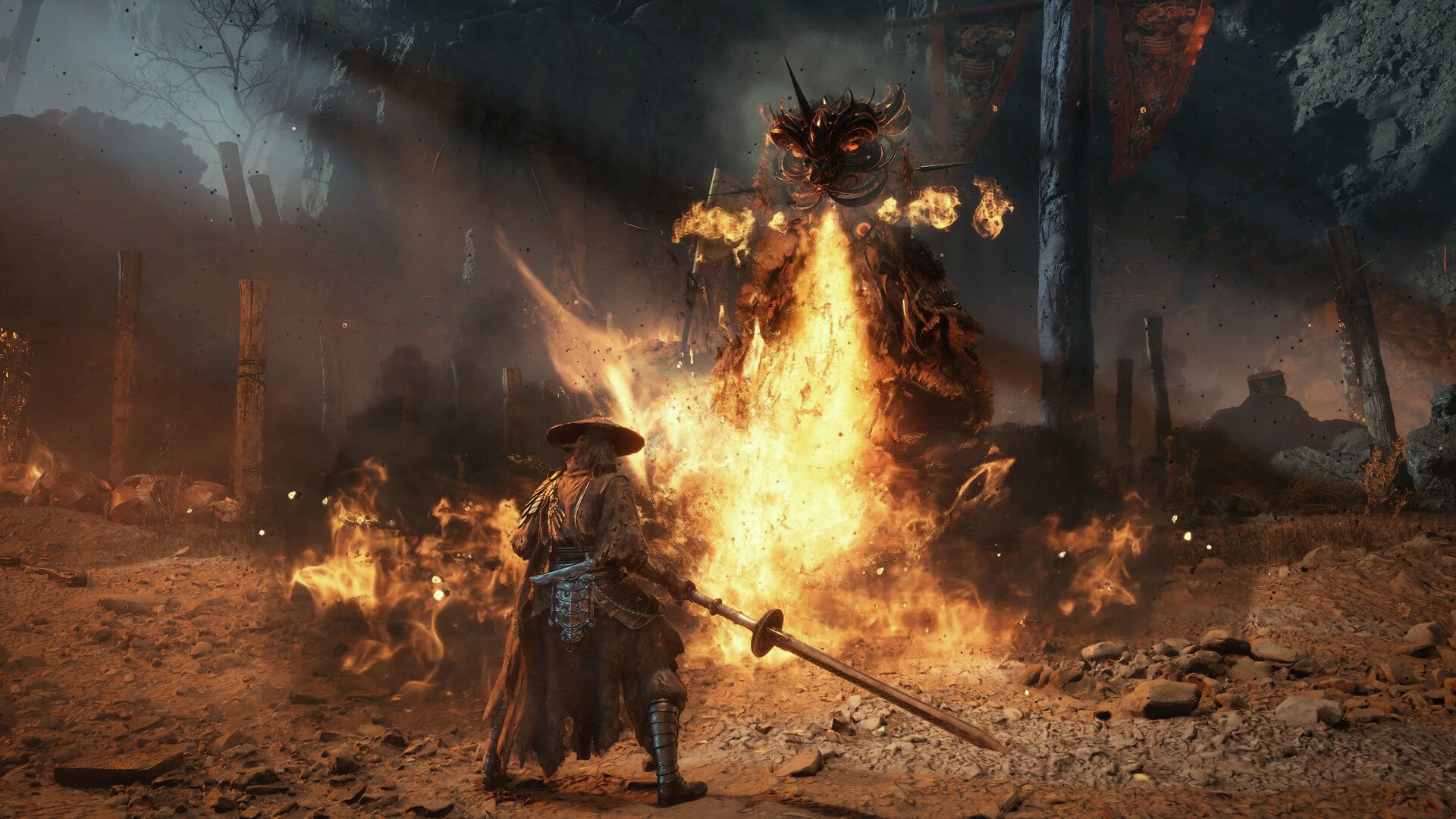
Valor Mortis moved its release to October 13, as it didn’t want to get any closer to GTA 6 and there was likely a financial reason for it to launch this year. It’s one of the lower profile games on the schedule, but many other expensive, triple-A games are in the same position, including a new Silent Hill, the sequel to Control, the reboot of Onimusha, a new Ace Combat, and the controversial Gears Of War: E-Day.
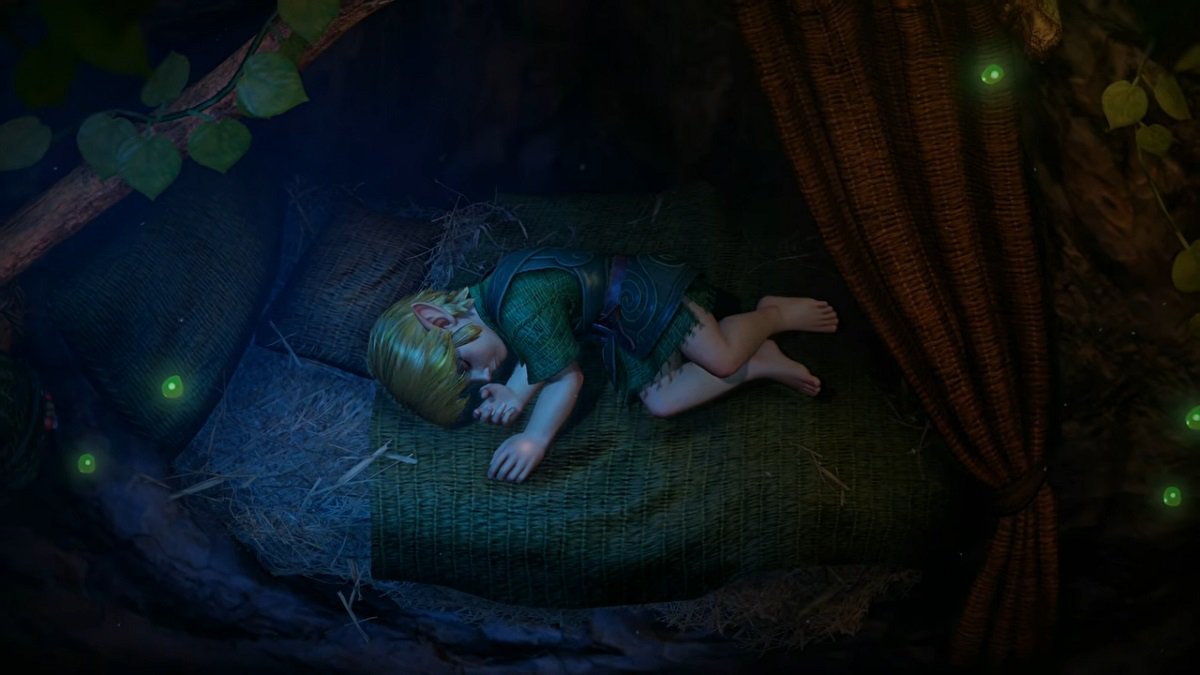
To make matters worse, this isn’t even a complete list, as EA Sports FC 27 hasn’t been announced yet and it usually comes out in late September. There are also many more double-A and indie games coming out during the same period, including titles such as Lords Of The Fallen 2 and Stupid Never Dies, that haven’t announced a date yet. Nor has The Duskbloods or Zelda: Ocarina Of Time on Switch 2, with Nintendo historically paying no mind to the release dates of other games.
Biggest Video Game Releases of Autumn 2026
- 3 September – The Blood Of Dawnwalker (PS5/XSX/PC)
- 15 September – Marvel’s Wolverine (PS5)
- 17 September – Fire Emblem: Fortune’s Weave (NS2)
- 24 September – Control Resonant (PS5/XSX/PC)
- 24 September – Silent Hill: Townfall (PS5/PC)
- 25 September – Onimusha: Way Of The Sword (PS5/XSX/NS2/PC)
- 29 September – Minecraft Dungeons 2 (NS/PS5/XSX/NS2/PC)
- 1 October – Rayman Legends Retold (PS5/XSX/NS2/PC)
- 2 October – Ace Combat 8: Wings Of Theve (PS5/XSX/PC)
- 6 October – Gears of War: E-Day (XSX/PC)
- 6 October – Star Wars: Galactic Racer (PS5/XSX/PC)
- 9 October – Dragon’s Dogma 2: Dark Arisen (PS5/XSX/NS2/PC)
- 13 October – Valor Mortis (PS5/XSX/PC)
- 15 October – Castlevania: Belmont’s Curse (PS5/XSX/PC)
- 22 October – Final Fantasy Resonance (NS/PS5/XSX/NS2/PC)
- 22 October – Nintendo Switch Sports Resort (NS2)
- 23 October – Call Of Duty: Modern Warfare 4 (PS5/XSX/NS2/PC)
- 29 October – Phantom Blade 0 (PS5/PC)
- 19 November – Grand Theft Auto 6 (PS5/XSX)
- 3 December – Dragon Quest Monsters: The Withered World (NS/PS5/XSX/NS2/PC)
Other publishers can’t afford to be so indifferent, and it is guaranteed that many of these games will underperform simply because there’s too much coming out in too short a span of time. If you’re looking at the list and thinking there’s only one or two you’re interested in, then fine, it’s not a problem for you. But it certainly is for companies at a time when games are so expensive to make that a single high-profile failure can shutter an entire studio.
What almost makes the situation worse is that none of this is anyone’s fault. GTA 6 had to come out sometime, and when it was scheduled for release earlier in the year, there was a similar exclusion zone around it. Although there’s no doubt that coming out just ahead of Christmas does make things even worse for other games.
Publishers weren’t able to avoid having the same release date either, because they didn’t know when other games were scheduled until they were publicly announced. Unless they had an unusually close relationship with a rival, they just had to pick their date and hope for the best, which certainly hasn’t worked out for anyone that chose September 24.
Perhaps other games will change their release date now that everyone knows how things have worked out, but many will be loath to do so since they’ve already started pre-orders, and will just hope that someone else moves first—which they probably won’t.
It’s hard to know what lessons to draw from all this. It’s easy to say that companies should make better use of the rest of the year, to release new games, rather than ensuring the usual summer games drought. But they have been getting better at that and while they’re not as good as the movie industry, at using the whole of the calendar, things are definitely not as bad as they used to be. And besides, video games make great gifts, so there’s always going to be more of them in the autumn (when it’s darker and colder outside).
The overriding problem is simply that there’s too many games and not enough people with the time, money, or inclination to play them. Rather than being a runaway success, that redefined how video games are consumed, Game Pass showed just how conservative most people are in their game choices, even when faced with a wide choice of titles that are free at the point of use.
Most people only have the time and desire to play a few different games each year, and while the price of them is off-putting, it’s not necessarily the primary problem. What at first seems to be a one-off release schedule traffic jam exposes some of the deep-seated problems with the modern games industry, where too many games are chasing too few customers. There’s no obvious answer to that problem, but the consequences of it this year may be severe for many video game companies.