
EA’s New Plan to Introduce In-Game Advertising
EA is continuously seeking new ways to innovate, whether it’s through introducing fresh gameplay mechanics, forming partnerships with intellectual properties that haven’t yet entered the video game space, or exploring new methods of monetization. These strategies often leave fans with mixed feelings about the outcomes, especially as the video game industry faces ongoing layoffs and significant changes. There is growing debate over whether these decisions are ultimately beneficial for the artists and the games themselves.
Despite the controversy, EA has unveiled its latest initiative, which is set to spark further discussion among players. This plan not only promises to generate immediate controversy with upcoming announcements but also raises broader concerns about how art may be affected by increasing commercialization. EA has announced that it will begin selling ad space within the confines of its video games, meaning players may encounter advertisements while engaging in compelling stories and mechanics that developers have spent years perfecting.
How Will In-Game Ads Work?

EA has decided to explore ways to integrate ads into its video games. The concept is straightforward: as players navigate open-world environments or experience narrative twists in cinematic sequences, they will see various advertisements pop up. Imagine a player walking through a virtual version of New York City, where the iconic Times Square billboards display real advertisements for products like Coca-Cola or the latest Rolex watch.
For some, this adds an element of realism, mirroring what one might experience in real life. EA has suggested that games like Madden could be potential candidates for incorporating such ads, given the abundance of advertisements around sports arenas, both in-person and on television.
EA has already outlined its pricing tiers for ad placements, ranging from $100K to $199K, $200K to $499K, $500K to $999K, and $1 million or more. While the specifics of what each tier includes remain unclear, there is room for negotiation. It seems that, for the right price, EA is willing to sell a significant amount of ad space, albeit within a limited scope inside the game.
So far, EA has not indicated that these ads would significantly disrupt gameplay. However, there are concerns that as more opportunities arise, games could become overwhelmed with advertisements. This move has both positive and negative implications. On the positive side, if games can generate revenue through ad sales early on, it could help protect staff members and redirect funds back into game development.
If this model becomes widespread, indie video games could particularly benefit from this shift. On the other hand, there are valid concerns that these ads could distract from the core gameplay experience. Additionally, there may be controversies surrounding the content of the ads, shifting the focus of discussions about the games away from their artistic and entertainment value.
EA’s Move Reflects Industry Trends
EA’s decision to introduce in-game advertising is part of a broader trend in the video game industry, where developers are constantly searching for new ways to monetize their games. While many players believe that increased prices for physical and digital copies should be sufficient for a company’s profitability, the pressure from shareholders and evolving business goals has made monetization a central concern.
This ad space idea is the latest in a series of efforts to generate additional revenue. Microtransactions serve as a prime example of this approach. For a time, it seemed as though microtransactions were the future, with players purchasing games only to find that certain content was locked behind paywalls or random loot boxes that didn’t always reward consistent playtime.
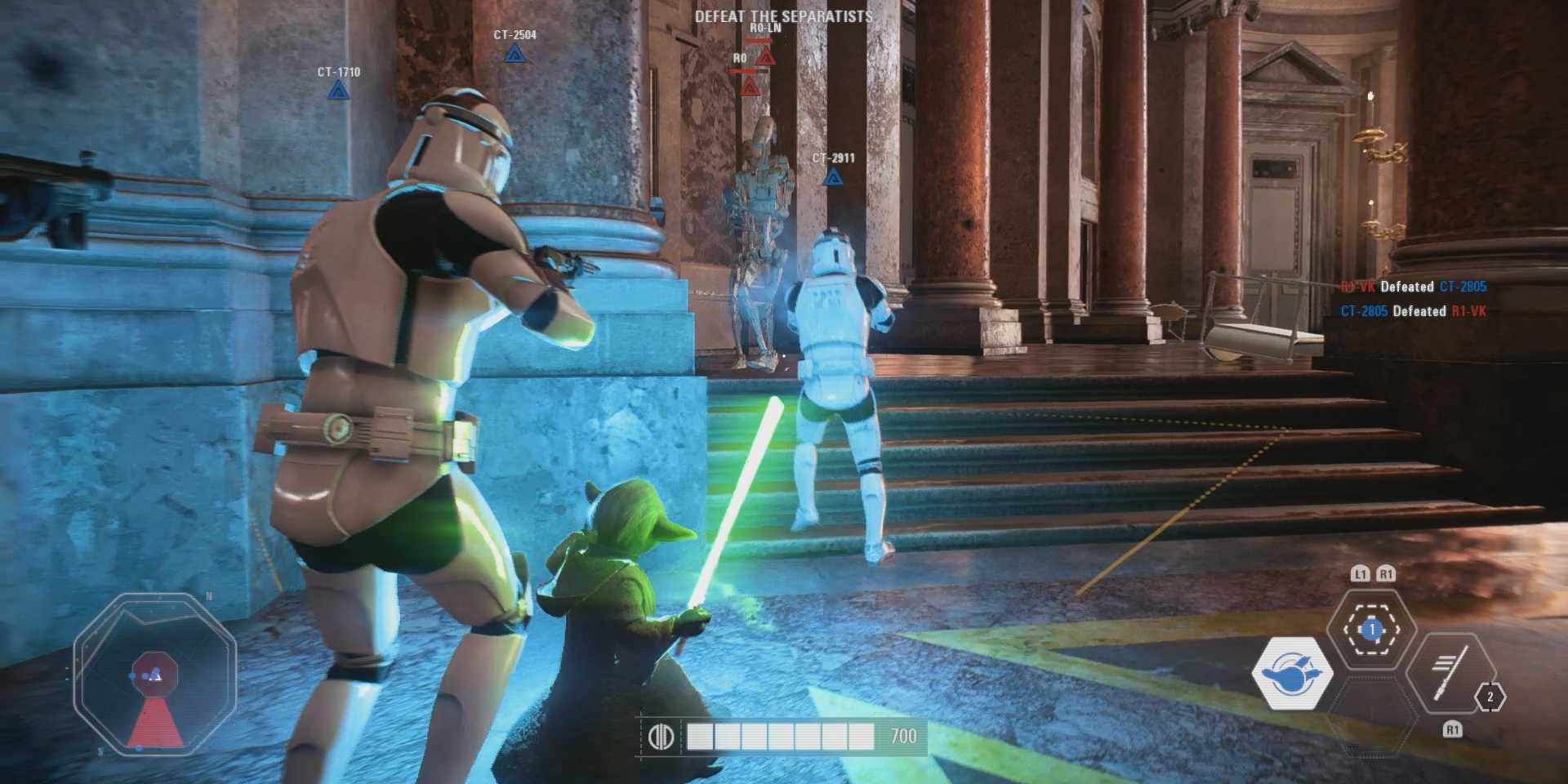
While microtransactions were technically optional, the fact that essential parts of the game were withheld from players who had already purchased the title led to significant backlash. One of the most notable examples of this was EA’s Star Wars Battlefront II, which faced severe criticism due to its microtransaction system. Although the game eventually abandoned microtransactions after significant redevelopment, the damage had already been done, and the title became a long-term disaster for EA.
Due to this continued push for monetization, EA may set a precedent that others could follow. Through regular updates, a game could change its advertisements over time. A title might launch with a sponsorship from Snickers, only to later feature Maltesers in the next Forza release. This cycle could continue until a title is no longer profitable or relevant.
A Precedent Set by the Movie Industry

This move by EA could be a game-changer for the video game industry, potentially signaling the beginning of the end for traditional gaming. While this notion carries a sense of pessimism, it’s worth examining the movie industry for context. For decades, movies have incorporated advertising in various forms. Consider the James Bond franchise, where sponsors compete to have their products featured in the film—whether it’s cars, watches, or suits.
This concept isn’t entirely new to video games either. While EA may be announcing this strategy now, they are not the first to do so. Sports titles like the WWE series already include product placement, and classic racing games like Forza and Gran Turismo have formed partnerships with automotive companies to showcase their vehicles. There’s even a game called Pepsiman, created solely to promote fizzy drinks.
There is definitely a precedent for this approach, even if it doesn’t feel promising. Concerns remain about the impact of ads on the artistic integrity of games. If sponsors gain influence over how a game looks, feels, or even how characters behave, there could be serious issues ahead. This could mark the start of a slippery slope, where financial incentives make it difficult for studios to resist the temptation of monetizing their work.
One can only hope that this plan is implemented to support the artists and the industry, helping studios fund experimental or risky projects. Whether this will truly play out remains to be seen, but for now, players have limited options—either boycott games with overt ads or accept the continued commercialization of an industry that was once driven by passion and creativity.
For some, this is the beginning of the end for video gaming. For others, it represents the decline of major studios and a new opportunity for indie developers to rise from the ashes.