The Evolution of Game Mechanics
Some game mechanics have become so integral to the gaming industry that they’re now considered standard. These innovations often start with a single title and then spread across the industry. However, not all great ideas in video games become mainstream. Some are overlooked or never replicated, despite their potential. Here are some unique features that could have revolutionized the gaming world but didn’t.
Middle-Earth: Shadow of Mordor – The Nemesis System
The Nemesis System in Middle-Earth: Shadow of Mordor is one of the most original and engaging mechanics in recent gaming history. This system creates a hierarchy among enemies, where each enemy has a rank. If a low-level grunt defeats you, it can rise in rank, creating a dynamic and evolving challenge. This adds a personal touch to every encounter, as enemies remember your actions and react accordingly. Despite its potential, this mechanic was patented by Warner Bros., preventing others from using it, which limited its widespread adoption.
Red Faction – Destructible Environments
Destructible environments were popularized by the Red Faction series, allowing players to destroy walls and structures. This feature was later seen in games like Battlefield: Bad Company. However, it didn’t become a standard feature in many games. Technical limitations and the complexity of implementing such systems likely contributed to its decline. Despite its appeal, destructible environments never fully caught on in the broader gaming industry.
Left 4 Dead – The AI Director
Left 4 Dead introduced the AI Director, a system that dynamically adjusts the difficulty based on player performance. If players are doing well, the game increases the number of zombies and special infected to maintain challenge. Conversely, if players are struggling, the game may send more enemies to keep them moving. This dynamic difficulty system could be beneficial for other games, especially those in the survival horror genre, but it hasn’t been widely adopted.
Dragon Ball Z: Kakarot – Beat Low-Level Enemies Without Fighting
In Dragon Ball Z: Kakarot, players can bypass low-level enemies by simply running through them, instantly receiving rewards without engaging in combat. This mechanic saves time and reduces frustration, making it an ideal feature for RPGs. Despite its usefulness, this feature hasn’t been implemented in many other games, leaving players to deal with tedious encounters.
Metal Gear Rising: Revengeance – Blade Mode
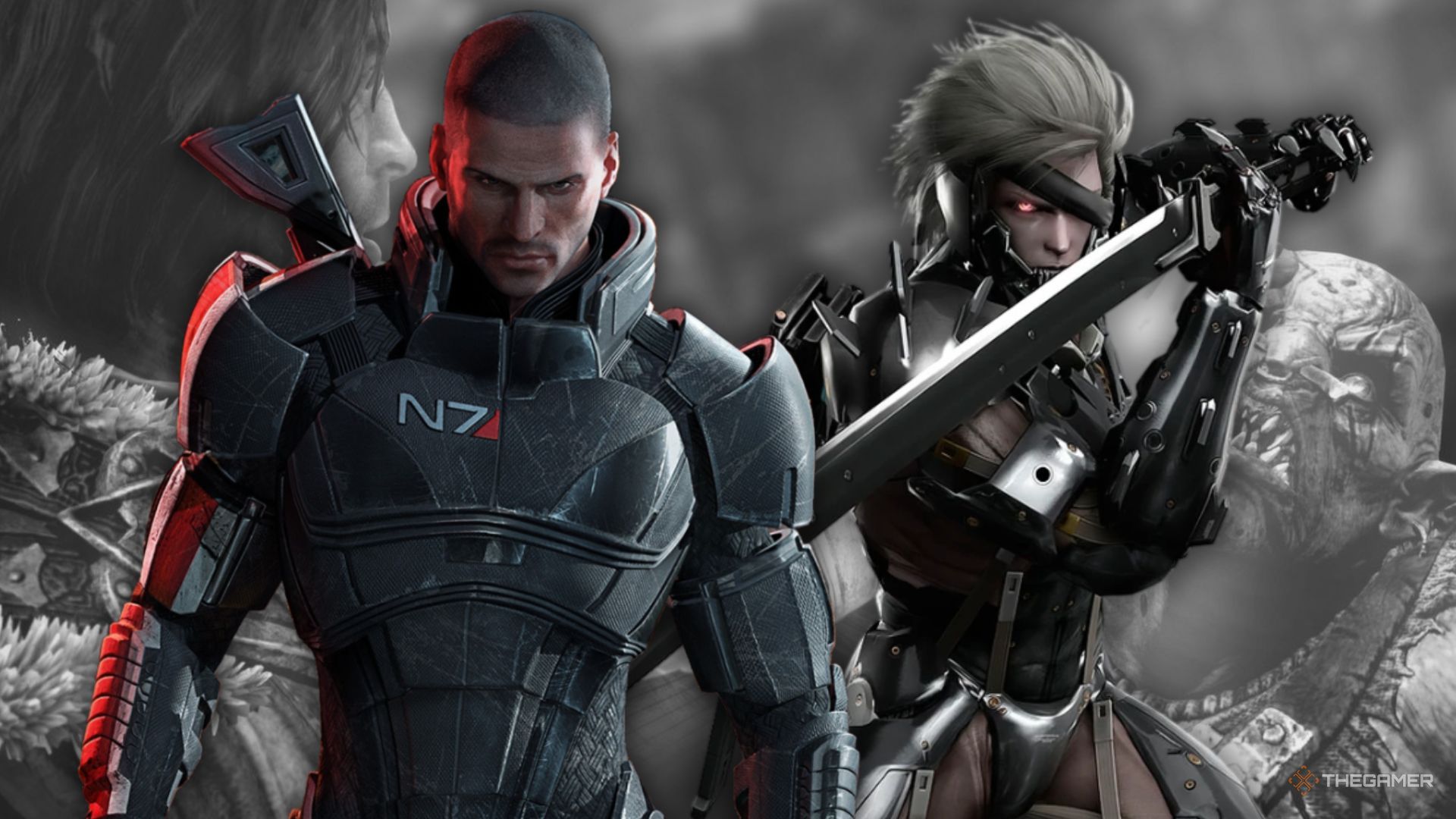
Metal Gear Rising: Revengeance introduced Blade Mode, a mechanic that allows players to slow down time and perform precise, powerful sword strikes. This mode showcases the game’s action-packed gameplay and offers a unique way to engage with enemies. While similar mechanics existed in earlier games like Afro Samurai, Metal Gear Rising didn’t spark a trend, leaving this innovative feature underutilized.
Mass Effect – Your Choices Have Consequences In The Sequels
The Mass Effect series introduced a groundbreaking mechanic where player choices in earlier games affect the sequel. This creates a sense of consequence and investment in the story. While other games have attempted to replicate this, few have done so effectively. The impact of decisions carried over between games is rare, making Mass Effect a standout example of narrative depth.
Dead Space – Diegetic Health Bar
Dead Space used a diegetic health bar, integrating it into the character’s suit. This approach reduced visual clutter and made the HUD feel more natural. While not the first game to use this concept, Dead Space demonstrated how it could enhance immersion and gameplay. This mechanic remains uncommon in modern games, despite its benefits.
Resident Evil 2 – Zapping System
Resident Evil 2 featured a Zapping System that connected different playthroughs. Actions taken in one storyline affected the other, creating a layered narrative experience. This mechanic encouraged multiple playthroughs and added depth to the game. Despite its potential, this system hasn’t been widely adopted by other developers.
L.A. Noire – The Use Of Facial Tech
L.A. Noire utilized advanced facial technology to create realistic expressions, which played a crucial role in the gameplay. Players had to analyze suspects’ faces to determine if they were lying. This innovative approach combined realism with gameplay, setting a new standard for detective games. However, this feature hasn’t been replicated in many other titles.
Grand Theft Auto: San Andreas – Dynamic Weight And Muscle
Grand Theft Auto: San Andreas introduced dynamic weight and muscle gain, allowing players to alter the protagonist’s appearance through exercise and diet. This mechanic added a layer of realism and customization to the game. Despite its popularity, this feature hasn’t been widely implemented in other games, leaving it as a unique aspect of San Andreas.